Christmas Living Room Ideas That Keep Your Workout Space
How to decorate a big living room for Christmas without losing your home workout space, with large Christmas art sizing, safe hanging tips and a workout zone planner.

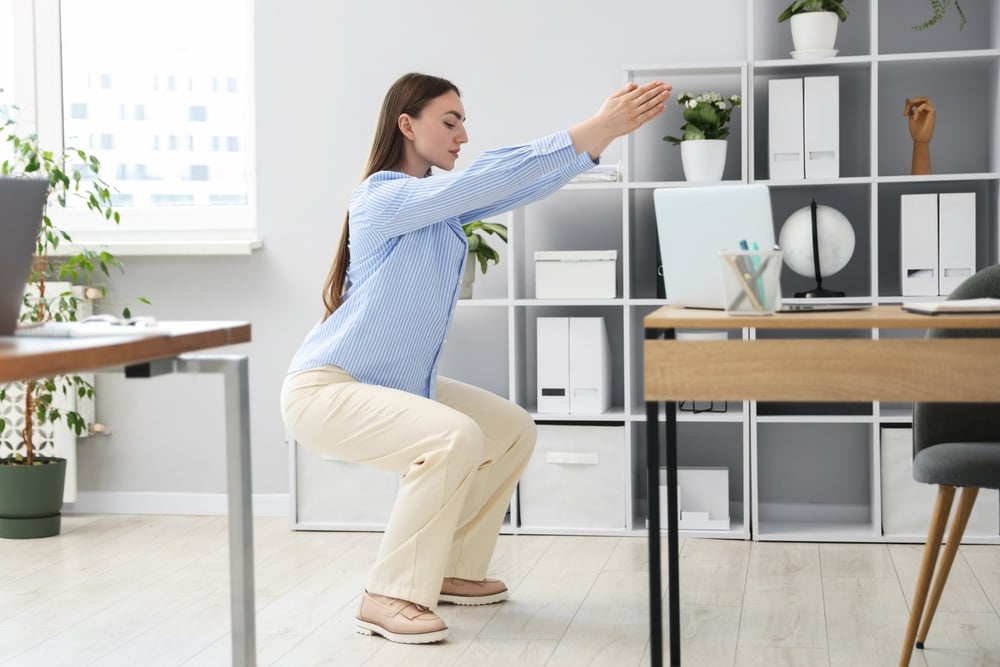
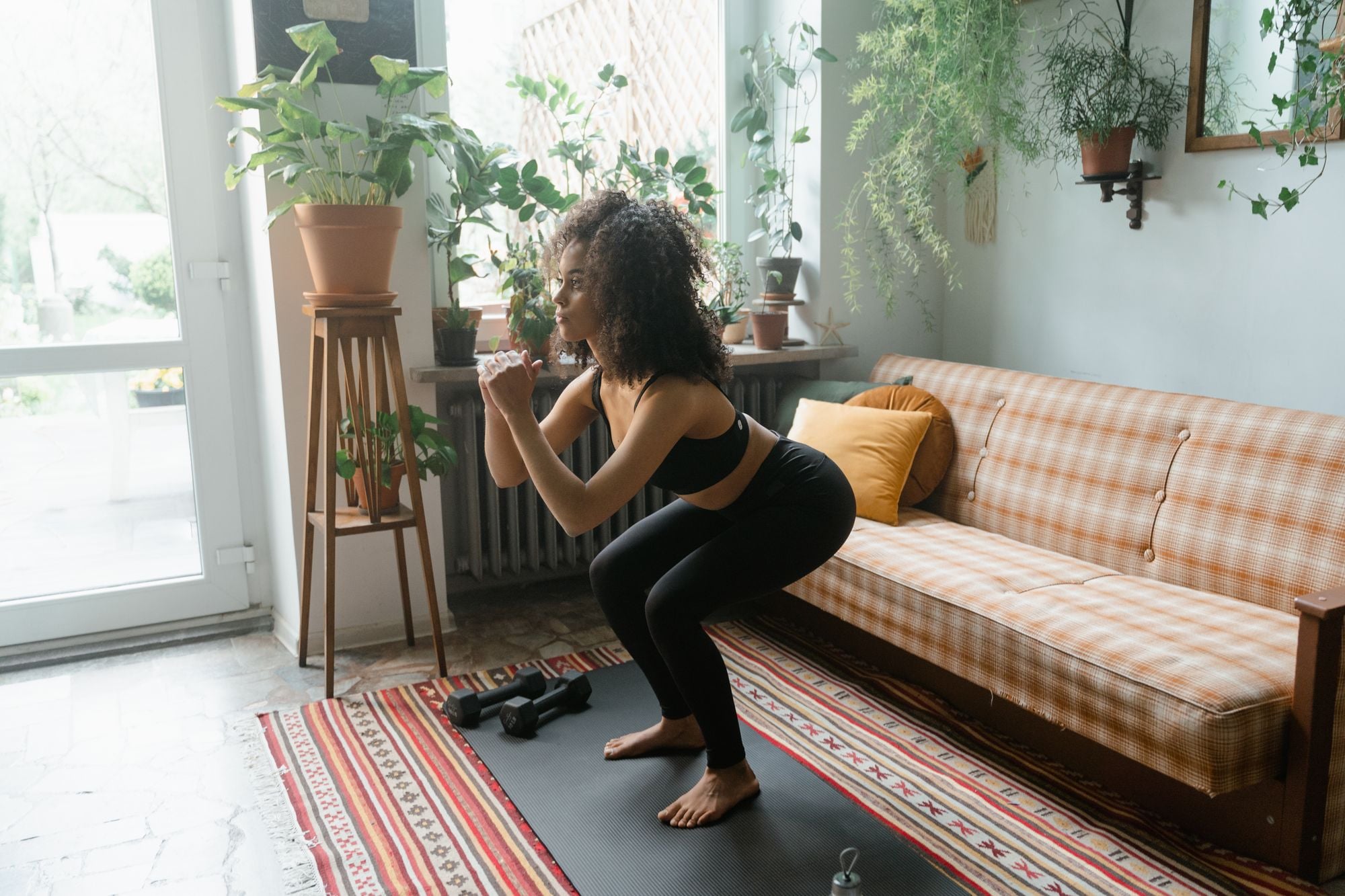
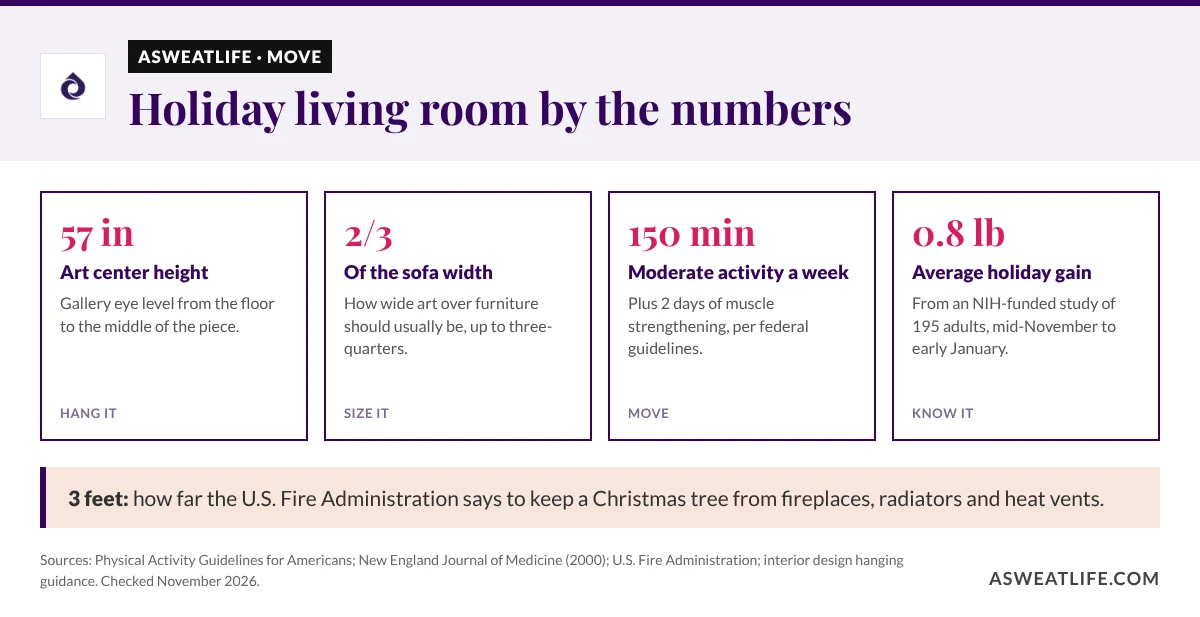
Decorating a big living room for Christmas often eats the floor space you’d normally use to work out at home, just when routines slip. Adults need at least 150 minutes of moderate activity a week, plus two days of muscle strengthening, and the holidays don’t pause that.
Below you’ll find how to plan a festive room that still has a clear workout zone, how to size and hang large Christmas art so it anchors the space, which art styles suit different rooms, and how to hang heavy pieces safely around your training area.
Why Plan Your Holiday Decor Around a Workout Space?
For many people, the living room is the home gym from November to January. It’s where the yoga mat comes out on cold mornings and where a quick strength circuit happens before family arrives. Fill it with a tree, extra seating, side tables and decorations on every surface, and there’s suddenly nowhere to move.
The research on holiday weight gain is a useful reminder of what’s at stake. In an NIH study of 195 adults, average weight gain over the holiday period was 0.37 kg, about 0.8 pounds, which is far less than the five pounds people often assume. The catch is that the gain wasn’t reversed during the following spring or summer, so it can add up over the years.
Activity seemed to make a difference. The study’s lead researcher noted that volunteers reporting more physical activity had less holiday weight gain. That’s an observational finding rather than proof, but it’s a good argument for keeping the room you train in usable through December.
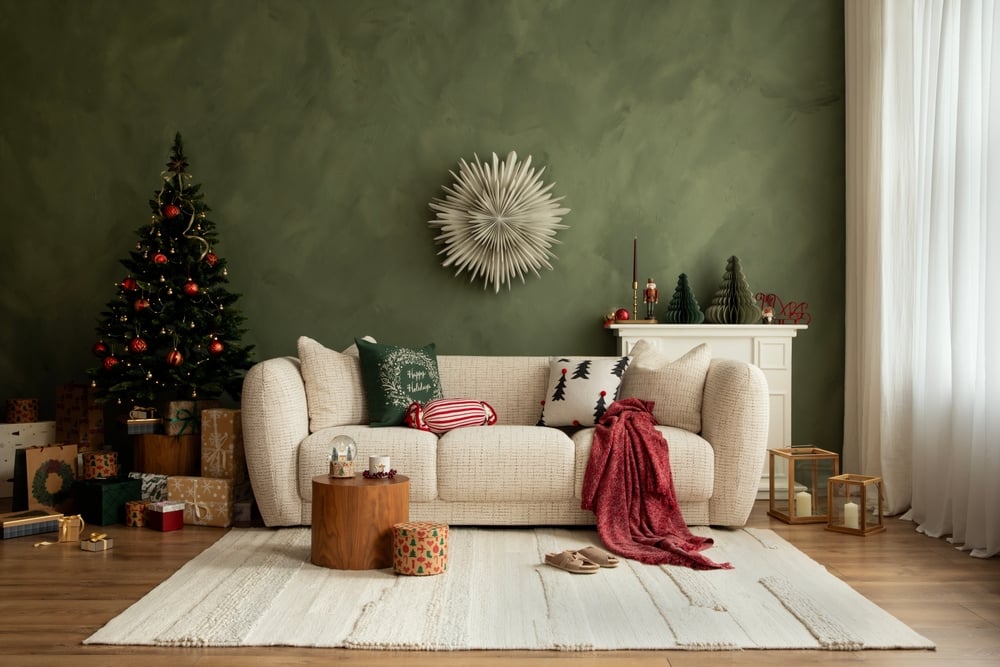
A large living room makes this easier than you’d think. Instead of scattering decorations everywhere, you can let one big piece of seasonal art carry the festive look on the walls, and keep the floor clear for movement.

How Does Large Christmas Art Help in a Big Living Room?
Big rooms have a scale problem. A standard framed print that looks substantial in a small apartment can look lost above a long sectional or against a tall wall. The usual response is to add more: wreaths, garlands, small signs and figurines, until every shelf is full.
One large piece of Christmas art solves that differently. It matches the scale of the wall, sets the mood for the whole room and does the decorative work that a dozen small items would otherwise do. That frees up tabletops and floor space, which matters when you want room to lunge, stretch or jump rope.
Large art also helps in open-plan spaces, where seating, dining and entertaining areas run together. A single focal point gives the eye somewhere to land and ties the zones together, so the room feels festive without needing decorations in every corner.
There’s a fitness bonus too. In yoga, a steady gaze point (often called a drishti) helps with balance. A big, calm piece of art on the wall you face during standing poses works well for that.
What Size Christmas Art Should You Hang in a Large Living Room?
Size is where most people go wrong, usually by buying something too small. Designers use a simple rule for art over furniture: make it about two-thirds the width of the sofa, and some go up to three-quarters for more drama. For a standard 84-inch sofa, that’s a piece roughly 56 to 63 inches wide. The same rule works above a mantel.
Height follows a gallery standard. Hang the art so its center sits about 57 to 60 inches from the floor, which is roughly average eye level. In rooms with high ceilings it’s tempting to hang art higher to fill the wall, but keeping it at eye level and tied to the furniture below usually looks better.

| Furniture or wall width | Art width to look for | Hanging guide |
|---|---|---|
| 72-inch sofa | About 48 to 54 inches | Bottom of frame 6 to 10 inches above the sofa back |
| 84-inch sofa | About 56 to 63 inches | Bottom of frame 6 to 10 inches above the sofa back |
| 96-inch sofa | About 64 to 72 inches | Consider a panoramic piece or a pair of panels |
| 108-inch sectional | About 72 to 81 inches | A triptych spreads the weight across the wall |
| Empty feature wall | Two-thirds to three-quarters of the space you want to fill | Center at about 57 to 60 inches from the floor |
If no single piece is big enough, a set of two or three panels hung close together can read as one artwork. Plan the group as a single rectangle and apply the same width rule to the whole set.
Before you buy, cut a sheet of paper or cardboard to the art’s size and tape it to the wall for a day. Check it from the sofa, from the doorway and from your workout spot.
How Do You Choose Christmas Art That Suits Your Room?
Start with the room’s existing style. Christmas art works best when it feels like part of the room rather than a temporary costume.
- Traditional rooms with wood furniture, molding and classic upholstery suit nostalgic scenes: snowy villages, candlelit interiors or richly decorated trees.
- Modern rooms work better with abstract winter scenes, simple Christmas motifs or minimal compositions in a limited palette.
- Transitional rooms, which mix the two, give you the most freedom.
- Rooms you train in often benefit from calmer imagery, such as winter forests or snowy landscapes, which won’t feel busy when you’re staring at the wall mid-plank.
Color matters as much as subject. Classic evergreen, crimson, gold and white feel rich against warm woods and neutral fabrics. Winter blues, soft silver, forest green and cream give a quieter version of Christmas that suits modern spaces. A simple trick is to pick a piece that shares one or two colors with your rug, cushions or curtains, then repeat those tones in ribbons and throws.
Online art marketplaces make it easier to find a piece at the size a big wall needs. Among these platforms is iCanvas, a Chicago-based wall art company founded in 2006 that sells prints from independent artists and, according to the company, licensed estates such as those of Norman Rockwell and Ansel Adams. Its prints come in formats including canvas, fine art paper, acrylic glass, wood and metal.
Its collection of large Christmas artwork is organized by size, which helps when you’re working to the two-thirds rule. Wherever you shop, check the exact dimensions, the material and the return policy before you order, because a large piece is harder to send back.
Which Materials and Frames Work Best for Large Seasonal Art?
The material changes how a large piece looks and how practical it is to hang and store each year.
| Material | Look | Practical notes |
|---|---|---|
| Gallery-wrapped canvas | Soft and textured, no glare | Usually the lightest option at large sizes; easy to store |
| Framed canvas | More finished and formal | Adds weight; choose the frame to match room finishes |
| Fine art paper (framed) | Crisp detail | Glass or acrylic glazing adds weight and possible glare |
| Acrylic glass | Glossy, vivid color | Can reflect light from windows and tree lights |
| Metal | Bright, modern | Durable; check the hanging system and weight |
| Wood | Warm, natural grain | Suits rustic and cabin-style rooms |
Frames should support the image without competing with it. A thin black frame suits modern photography or illustration, natural wood ties in with timber floors and furniture, and gold or bronze suits formal rooms where similar metals show up in lighting. Unframed gallery-wrapped canvas gives a clean look and keeps the weight down.
How Do You Hang Heavy Art Safely in a Room You Work Out In?
A room you exercise in needs a bit more care. You’ll be jumping, swinging your arms and moving dumbbells around, so plan the layout before you hang anything.
- Check the weight first. Look up the art’s weight and the maker’s hanging instructions, then use hooks or anchors rated above that weight, or screw into a stud.
- Keep art and equipment on different walls. Store dumbbells and kettlebells away from the art, and don’t swing a jump rope near the canvas.
- Keep the workout lane clear of cords. Tree lights, extension cords and pet gates are trip hazards when you’re moving fast.
- Check overhead space. Ceiling fans, chandeliers and hanging decorations can get in the way of overhead presses and rope work.
- Mind the heat. Holiday decorations placed too close to heat sources are a common cause of home fires, and more than a third of home decoration fires are started by candles. Keep art and greenery clear of the fireplace and candles, and keep a real tree at least three feet from heat sources such as fireplaces, radiators and vents.
If you’re new to training at home, our beginner guide to strength training at home covers simple routines that fit a cleared living room floor.
How Much Floor Space Do You Need for a Holiday Workout Zone?
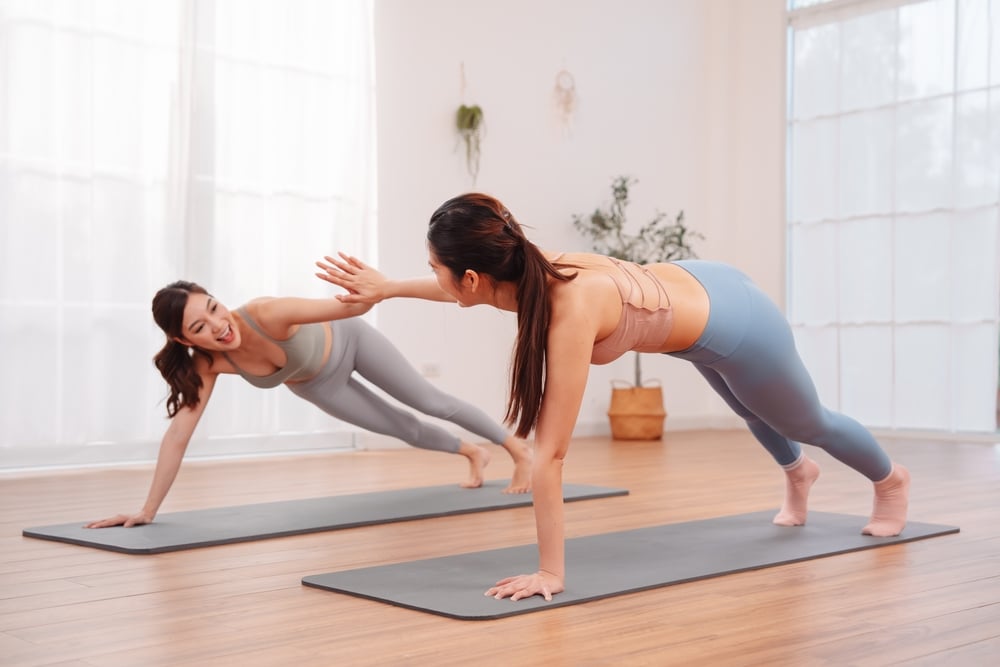
You don’t need a whole room. A standard yoga mat is about 2 by 6 feet, and home fitness guides commonly suggest a clear area of roughly 6 by 6 feet for yoga and stretching, and about 8 by 8 feet for bodyweight training, dumbbells or cardio such as jump rope. These are rough starting points, so adjust for your height and the moves you do.
In a large living room, the easiest approach is to keep one corner or one end of the room free of decorations. Put the tree on the opposite side, keep coffee tables on casters or light enough to slide, and store your mat and weights in a basket or ottoman so the room looks festive when you’re not training.
Use the planner below to work out an art size for your wall and a workout zone for the training you have in mind.
Pick the wall your Christmas art will hang on, how wide the furniture under it is, and the workouts you plan to do in the room over the holidays. The planner suggests an art size, a hanging height and where to put your workout zone.
Where will the art hang?
Width of the sofa, mantel or wall area
Main holiday workout in this room
Is there a real Christmas tree in the room?
How to hang it
Your workout zone
Short on time between holiday plans? Our guide to exercise snacks and micro workouts has moves you can do in a few minutes next to the tree.
How Do You Keep a Christmas Living Room From Feeling Cluttered?
A big room can take a lot of decoration, but that doesn’t mean every surface needs some. One strong piece of art usually has more impact than dozens of small ornaments spread across shelves and tables.
- Stick to a consistent color palette across the art, tree and textiles.
- Limit focal points: the art, the tree and perhaps the mantel are plenty.
- Leave some wall and floor space empty so the room still feels open.
- Add warmth with textures such as wool, velvet, linen and real greenery rather than more objects.
- Choose winter themes, such as snowy forests or mountain scenes, if you’d like the art to stay up through January and February.
A calmer room can also help with the stress that often comes with the season. If December tends to feel overwhelming, our tips on protecting your mental health during the holidays are worth a read.
This article is for general information and isn’t a substitute for advice from your doctor or a qualified fitness professional. If you have a health condition, are pregnant or are new to exercise, check with a professional before starting a new routine.
Frequently Asked Questions
How big should Christmas art be over a sofa?
Aim for about two-thirds to three-quarters of the sofa’s width. For an 84-inch sofa, that’s roughly 56 to 63 inches wide.
How high should I hang large wall art?
Center it about 57 to 60 inches from the floor. Over a sofa, leave around 6 to 10 inches between the sofa back and the bottom of the frame.
Can I work out in a living room with Christmas decorations?
Yes. Keep one area clear, roughly 6 by 6 feet for yoga or about 8 by 8 feet for strength or cardio, and keep cords, the tree and heavy art out of that zone.
How far should a Christmas tree be from a fireplace?
The U.S. Fire Administration recommends keeping a tree at least three feet from heat sources such as fireplaces, radiators, space heaters and heat vents.
How much exercise should I aim for over the holidays?
Federal guidelines recommend at least 150 minutes of moderate activity a week for adults, plus muscle-strengthening activity on two or more days. Short sessions spread through the week count.