Bone Health After 40: What Active Women Need to Know (Beyond Calcium)
If you’re over 40 and your lifts are still going up, it’s easy to assume your bones are keeping pace. Bone health after 40 deserves its own plan: the Bone Health and Osteoporosis Foundation’s bone basics note that women can lose up to 20 percent or more of their bone density in the five to seven years after menopause.
Here’s what changes in midlife, the four habits with the best evidence behind them, when a bone density scan makes sense, and the signs that mean you should talk to a doctor sooner.
Why Does Bone Health Change After 40?
Bone is living tissue. Your body is always breaking down old bone and laying down new bone, and through your teens and 20s the building side wins. Most people reach peak bone mass in early adulthood. After that, the balance slowly tips the other way.
For women, the big shift comes with perimenopause and menopause. Estrogen helps protect bone, so when it drops, bone loss speeds up, especially in the first few years after your last period. Men lose bone too, just more slowly.
Over time, that can lead to osteopenia (bone density lower than normal) or osteoporosis (bone that is fragile and more likely to break). The International Osteoporosis Foundation’s osteoporosis compendium estimates that one in three women aged 50 and over will have a fragility fracture. Hips, wrists and the spine are the usual sites.
Osteoporosis is often called a silent condition for a simple reason: there are usually no symptoms until a bone breaks. You can’t feel your bone density thinning, which is exactly why it pays to think about it before anything hurts.
What Actually Helps Your Bones After 40?
This article is for educational purposes only and is not medical advice. Talk to your doctor or a physical therapist before changing your training, especially if you have osteoporosis, joint problems or a past fracture.
The good news? The habits that protect bone are ones a lot of active women already enjoy. Most of the work is in the details: how heavy you lift, how much you eat and how often you practice standing on one leg.
Lift Heavy Enough to Load Your Bones
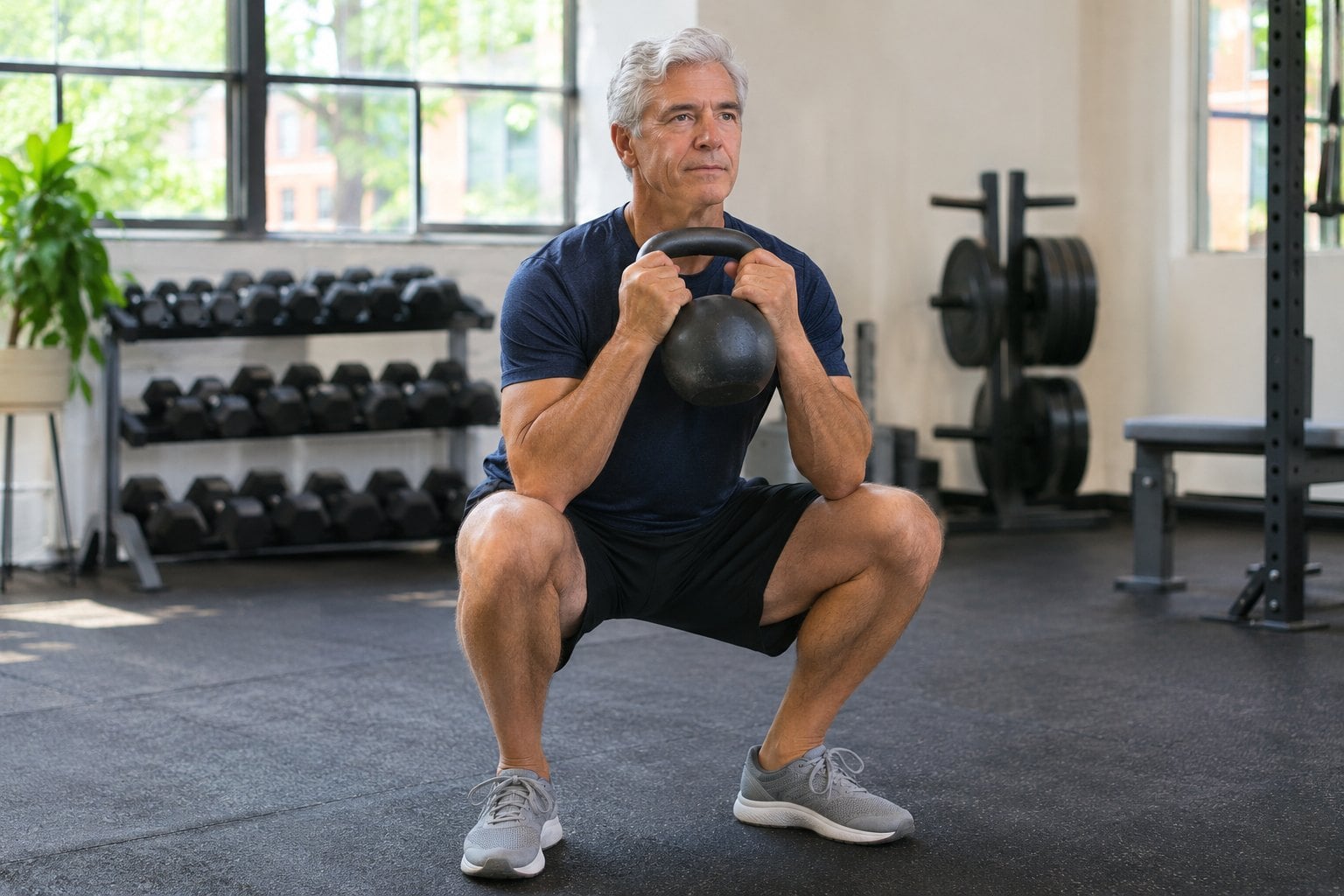
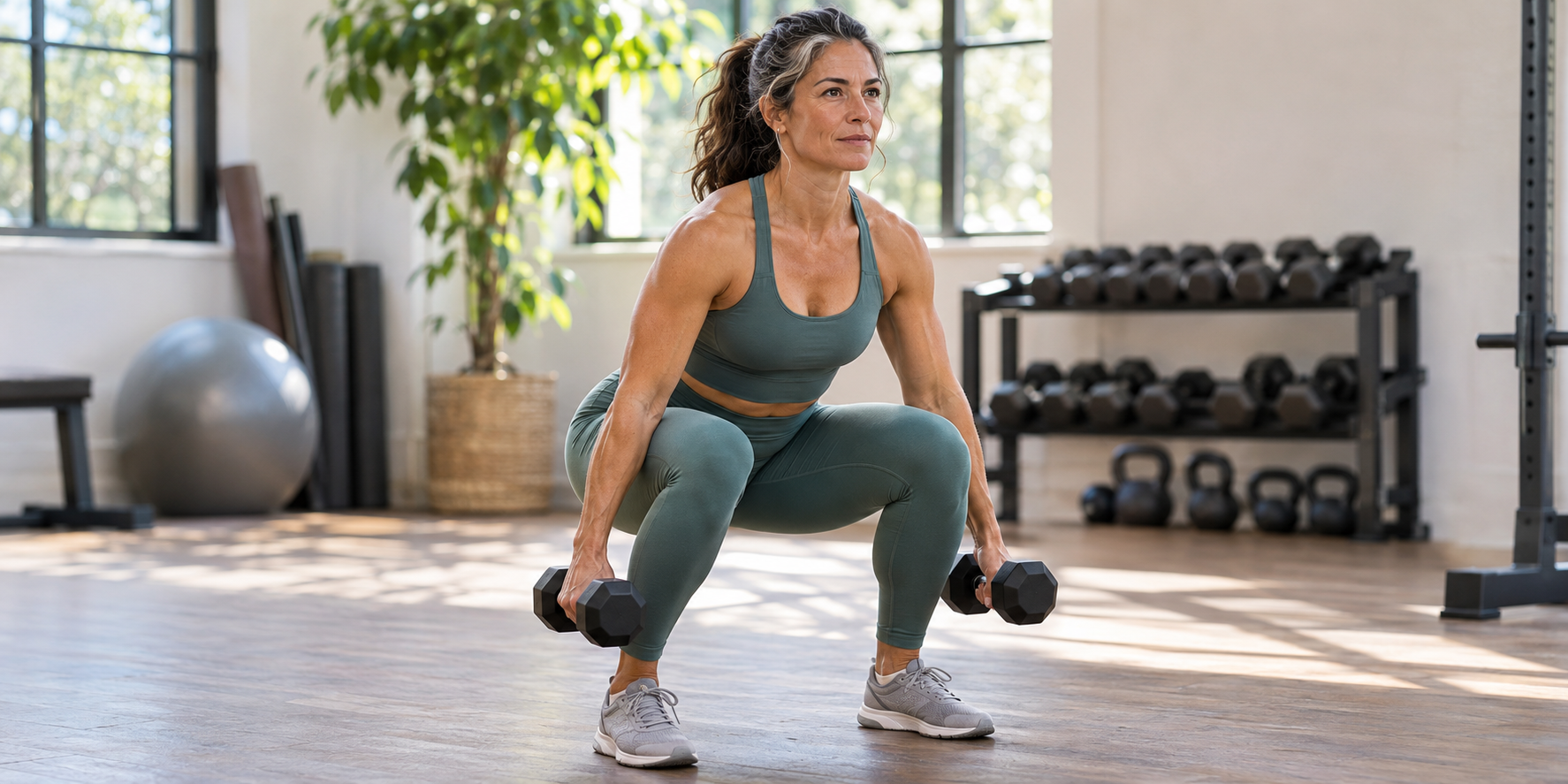
Bones respond to load. Walking, hiking, dancing and stair climbing all count, but lifting weights gives you a way to keep adding challenge. Cycling, swimming and gentle stretching are great for your heart and joints, yet they put far less load through your skeleton.
The research here is encouraging. In the LIFTMOR randomized controlled trial, published in the Journal of Bone and Mineral Research in 2018, postmenopausal women with low bone mass did 30-minute supervised sessions twice a week for eight months, lifting heavy (five sets of five reps at above 85 percent of their one-rep max) alongside impact work. Their lumbar spine bone density rose by 2.9 percent on average, while the low-intensity home exercise group lost 1.2 percent.
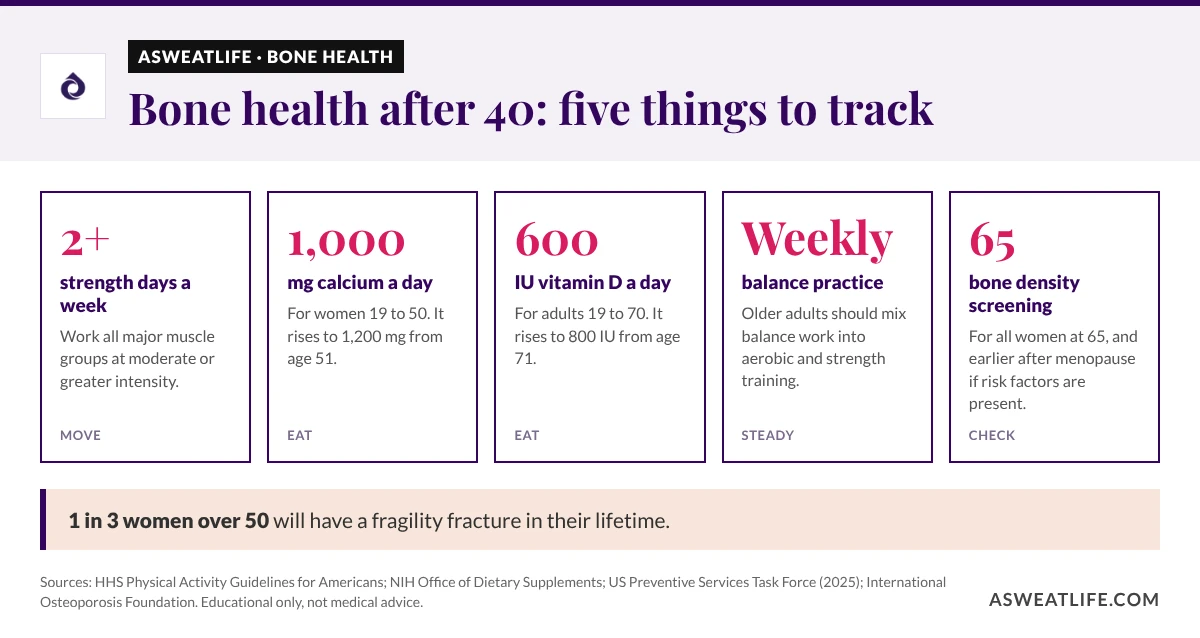
That was heavy lifting under close supervision, so don’t copy it on your own if you already have low bone density. For everyone else, the Physical Activity Guidelines for Americans set a sensible baseline: muscle-strengthening work for all major muscle groups on two or more days a week. If you’re new to the weight room, our guide to strength training for women covers the basics.
Add a Small Dose of Impact
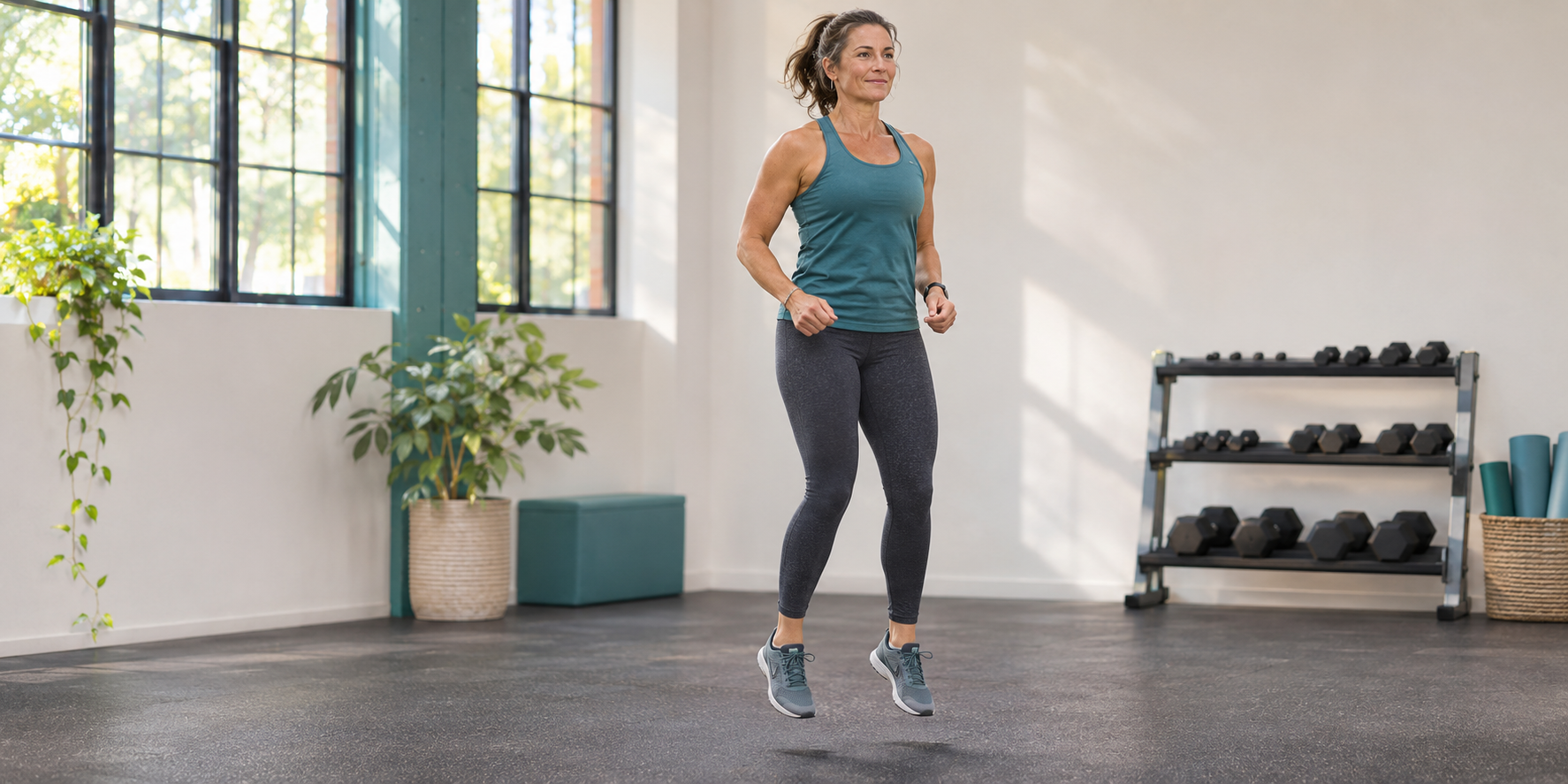
Short bursts of jumping, skipping or hopping send a strong signal to bone, and you don’t need much. If you’re healthy with no joint problems, a few low-rep sets of small jumps a couple of times a week can slot in after your warm-up. Our breakdown of plyometrics for bone density after 40 walks through how to start and progress.
Skip this one until you’ve checked with your doctor or physical therapist if you have osteoporosis, knee or hip arthritis, or pelvic floor symptoms such as leaking or pressure.
Eat Enough, Not Just Enough Calcium
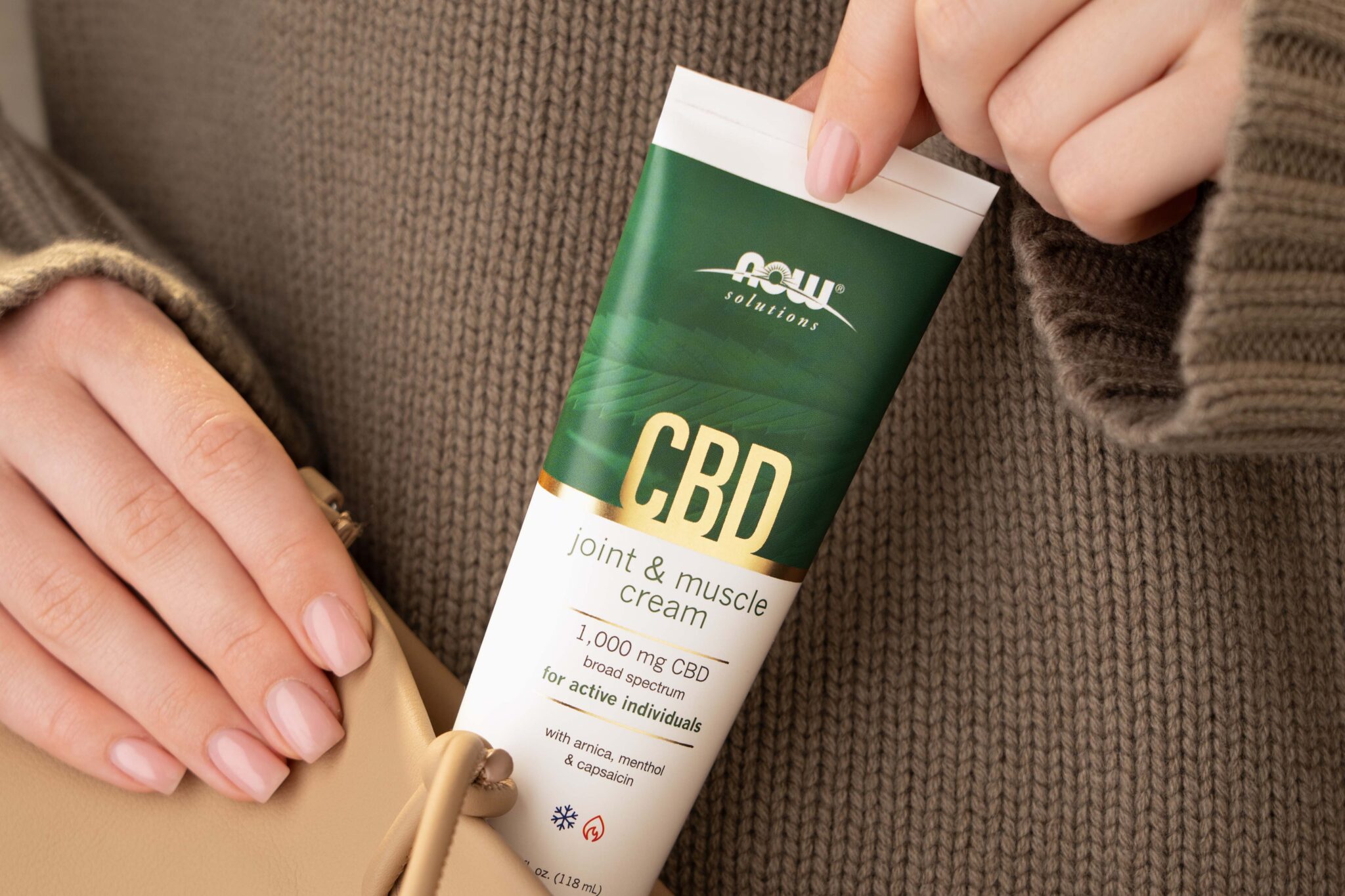
Calcium matters, but it’s only part of the picture. The NIH calcium fact sheet recommends 1,000 mg a day for women aged 19 to 50, rising to 1,200 mg from age 51. Food first is the usual approach: dairy, yogurt, calcium-set tofu, fortified soy or almond drinks (check the label), kale and canned fish with soft bones. Our roundup of nutritious canned fish has easy ways to work sardines into lunch.
Vitamin D helps your body absorb calcium. The NIH vitamin D fact sheet recommends 600 IU a day for adults aged 19 to 70 and 800 IU from 71. If you spend most of your day indoors, ask your doctor whether a blood test to check your level makes sense, rather than guessing at a supplement dose.
Then there’s total fuel. Training hard while under-eating can harm bone at any age, and the International Olympic Committee’s 2023 consensus statement on low energy availability lists bone health among the systems affected. Protein matters too, since bone needs it as well as minerals. If you’re ramping up mileage or training volume, make sure your plate grows with it.
Train Your Balance
Strong bones matter, and so does not falling in the first place. The CDC’s hip fracture data show that in 2019, 88 percent of hip fracture emergency visits and hospitalizations among older adults were caused by falls. The federal activity guidelines also recommend that older adults include balance training alongside aerobic and strength work each week.
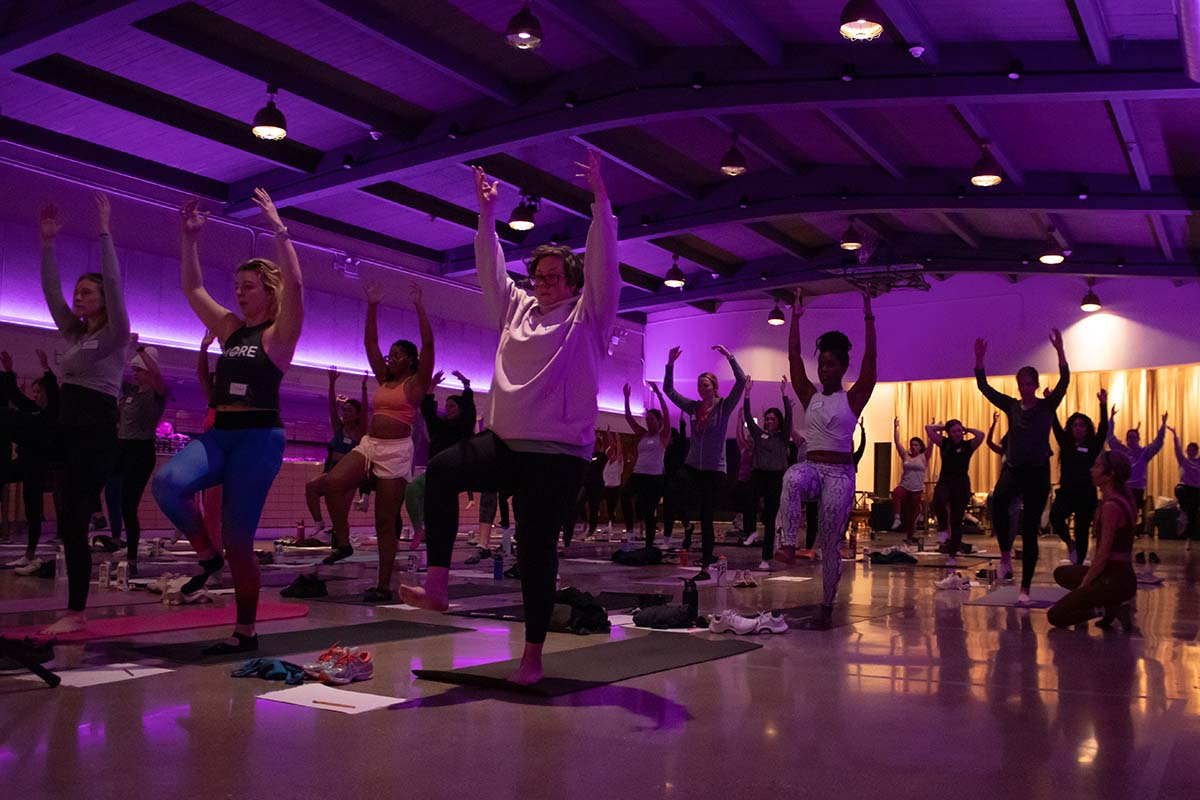
Balance fades if you don’t practice it. Single-leg work like step-ups, split squats and single-leg deadlifts, plus yoga and mat Pilates for core control, all help. So does standing on one leg while you brush your teeth.
| Habit | How often | Why it helps | Check first if |
|---|---|---|---|
| Strength training | 2 or more days a week | Loads bone and builds the muscle that protects it | You have osteoporosis or a past fracture |
| Small-dose impact | A few low-rep sets, a couple of times a week | Short, sharp loading sends a strong bone signal | You have arthritis, osteoporosis or pelvic floor symptoms |
| Calcium and vitamin D | Daily, food first | Supplies the raw materials for bone | You’re considering supplements |
| Eating enough | Every training day | Low energy availability can harm bone | Your periods have changed or stopped with training |
| Balance practice | A few minutes most days | Fewer falls means fewer fractures | You’ve had a recent fall or feel unsteady |
Here are the five things to track, in one place:

When Should You Get a Bone Density Scan?
You can’t feel your bone density, but you can measure it. A DXA (or DEXA) scan is a quick, painless, low-dose X-ray of your hip and spine.
In January 2025, the US Preventive Services Task Force recommended osteoporosis screening for all women aged 65 and older, and for postmenopausal women under 65 who are at increased risk based on a clinical risk assessment. Guidelines vary by country, so your doctor may follow a slightly different schedule.
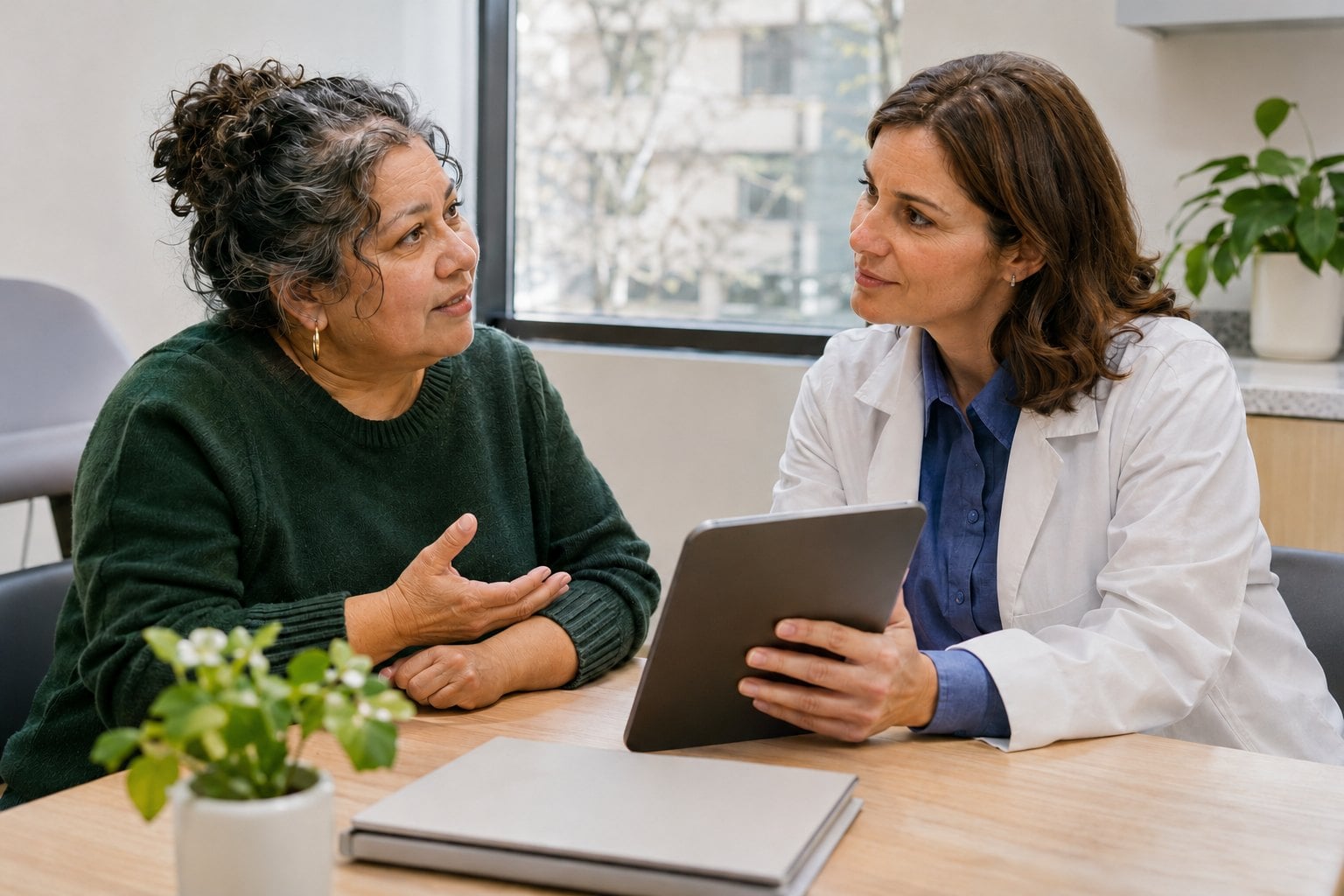
Talk to your doctor about when a bone density check makes sense for you. In Singapore, for example, Hip & Knee Orthopaedics at Mount Elizabeth Novena offers bone mineral density testing as part of its bone wellness packages, alongside blood tests that include vitamin D and calcium. Wherever you live, these risk factors are worth raising at your next appointment:
| Risk factor | Why it matters |
|---|---|
| Early menopause | More years with lower estrogen and faster bone loss |
| A parent who broke a hip | Family history is a recognized fracture risk factor |
| Low body weight | Less load on the skeleton and often lower bone mass |
| Smoking or heavy drinking | Both are linked to lower bone density |
| Long-term steroid medication | Glucocorticoids can speed up bone loss |
| A broken bone from a minor fall | A fragility fracture raises the risk of another one |
When Should You Talk to a Doctor Sooner?
Don’t wait for a routine screening if any of these sound familiar:
- You broke a bone after 40 from a fall at standing height or less.
- You’ve lost height or noticed your posture changing.
- You went through menopause early.
- You’ve had a history of very low body weight or an eating disorder.
- You take a medication known to affect bone, such as long-term steroids.
A diagnosis of low bone density is not a reason to stop moving. In most cases, it’s the opposite. Treatment usually combines exercise, nutrition and, when needed, medication, and a doctor and physical therapist can help you adapt your training so you keep doing what you love safely.
Bone Health After 40 FAQs
Is It Too Late to Improve Bone Density After Menopause?
No. In the LIFTMOR trial, postmenopausal women with low bone mass improved spine bone density with supervised heavy lifting and impact work. Results vary, so ask your doctor what’s right for your bones.
Are Cycling and Swimming Good for Bone Health?
They’re excellent for your heart and joints but put little load through your skeleton. If they make up most of your training, add two or more strength sessions a week.
How Much Calcium Do Women Over 50 Need?
The NIH recommends 1,200 mg a day for women aged 51 and older, ideally mostly from food. Check with your doctor before adding a supplement.
Can You Feel Osteoporosis?
Usually not. Osteoporosis rarely causes symptoms until a bone breaks, which is why screening and knowing your risk factors matter.
Bone is much easier to protect than to rebuild. Keep lifting, keep moving on your feet, eat enough, practice your balance and get your bone density checked when it’s right for you. Your future self, the one still hiking, traveling and carrying her own suitcase, will thank you.
This article is for educational purposes only and does not replace personalized advice from a doctor, registered dietitian or physical therapist.