Semmelweis Review of 24 Trials Links Soccer and Handball to Stronger Bone-Building Signals
A Semmelweis University review of 24 trials found only high-intensity training, led by recreational soccer and handball, significantly raised a key bone-building marker. Here's what it means for your walks and lifting days.


If walking and lifting weights are the backbone of your routine after 40, a new review from Semmelweis University in Budapest adds a twist worth knowing about. Fast, stop-and-start sports such as recreational soccer and handball were linked to increases of up to 45 to 46% in blood markers of bone formation, while walking, step aerobics and standard gym resistance work did not significantly change the main bone-building marker.
The analysis pooled 24 randomized controlled trials covering 1,238 healthy adults and was published on June 2, 2026 in the journal Sports Medicine – Open. It tracked blood markers of bone building, with bone density as a secondary measure, and it suggests that how hard and how explosively you move may matter to your skeleton as much as which workout you pick. Here’s what the team found, where the limits are and what it could mean for your week.
What the Semmelweis Bone Study Found
The researchers screened 16,434 records and kept only trials of structured training programs lasting longer than two weeks in healthy adults with no medical conditions, medication or supplements. Their main yardstick was osteocalcin, a protein released by osteoblasts (the cells that lay down new bone), along with a second marker called bone alkaline phosphatase. Blood markers like these can reflect the effect of exercise within a few weeks, while bone mineral density takes much longer to shift.
Only one group of programs moved osteocalcin in a meaningful way: high-intensity training, where heart rate stayed above 85% of maximum through the session. That group showed a significant rise (a mean difference of 6.88, with a 95% confidence interval of 0.37 to 13.38). Endurance training as a whole, power or resistance training and mixed programs did not significantly change osteocalcin, and bone alkaline phosphatase and bone mineral density showed no significant change after endurance or power training.
“What makes our study unique is that we examined not only the type of exercise,” said senior author Péter Ferdinandy, MD, PhD, vice-rector for science and innovations at Semmelweis University, in the university’s announcement. The team also looked at intensity, frequency and duration, and the strongest responses came from activities that paired high intensity with quick, dynamic movement.
Why Soccer and Handball Stood Out
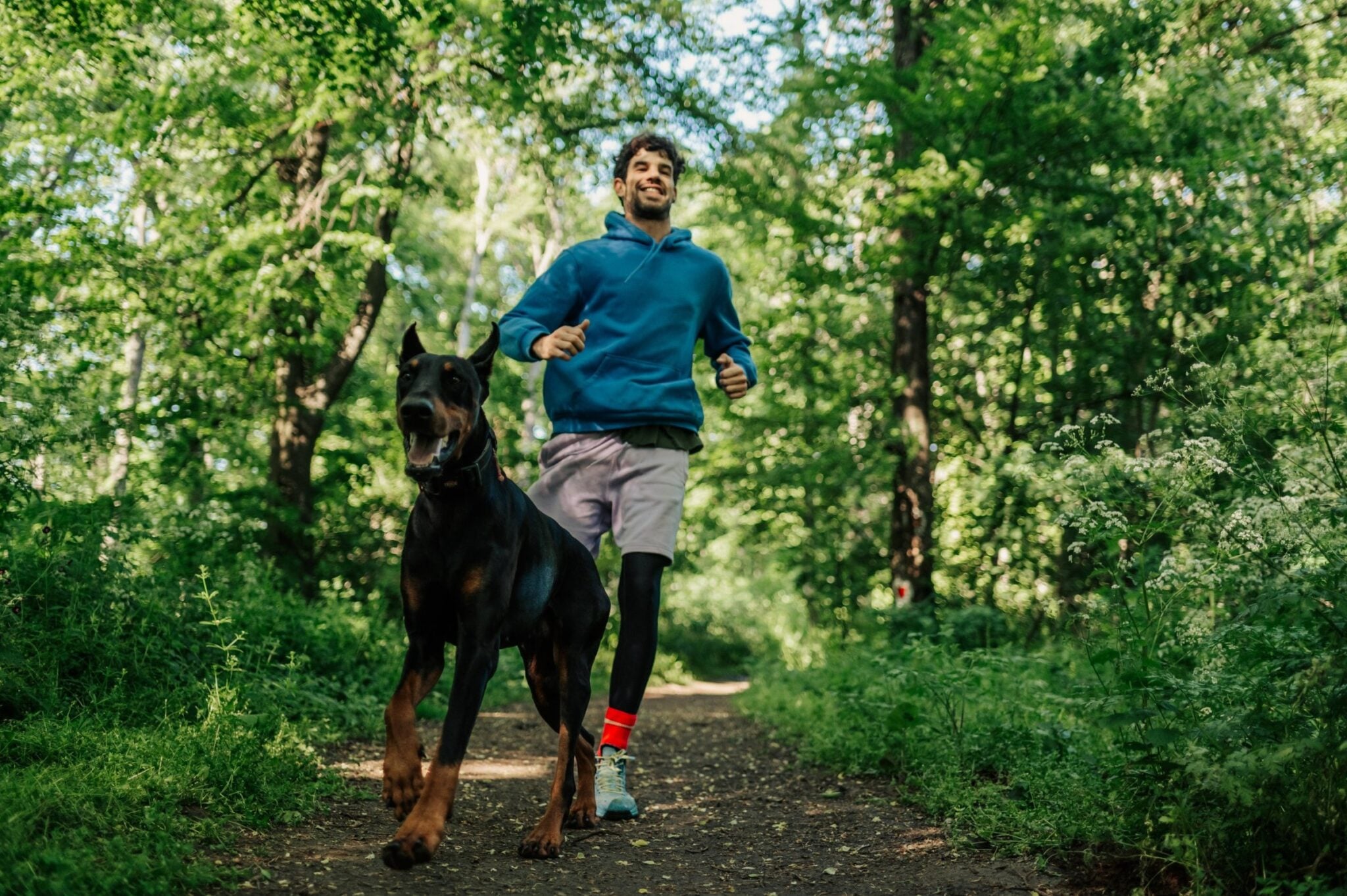
The high-intensity group was built mostly from recreational team handball and soccer, plus one study of interval training on a stationary bike. Sessions ran 50 to 60 minutes, one to three times a week, and the players included middle-aged and older men, young untrained men and postmenopausal women.
A few of the individual trials make the pattern easy to picture. Older men who played recreational soccer two to three times a week for 16 weeks raised their osteocalcin, and 16 weeks of recreational handball did the same for postmenopausal women. Middle-aged and older men in one handball trial reached a positive bone-building balance with as little as one 60-minute session a week.
The authors’ explanation comes down to force. Bone responds to mechanical load, intensity and dynamic movement, and team sports pile all three into every sprint, sudden stop, turn and jump. “High-intensity exercise may trigger early beneficial changes in bone formation,” said co-author Dr. Nóra Sydó, a clinical specialist at Semmelweis.
How Each Type of Training Scored
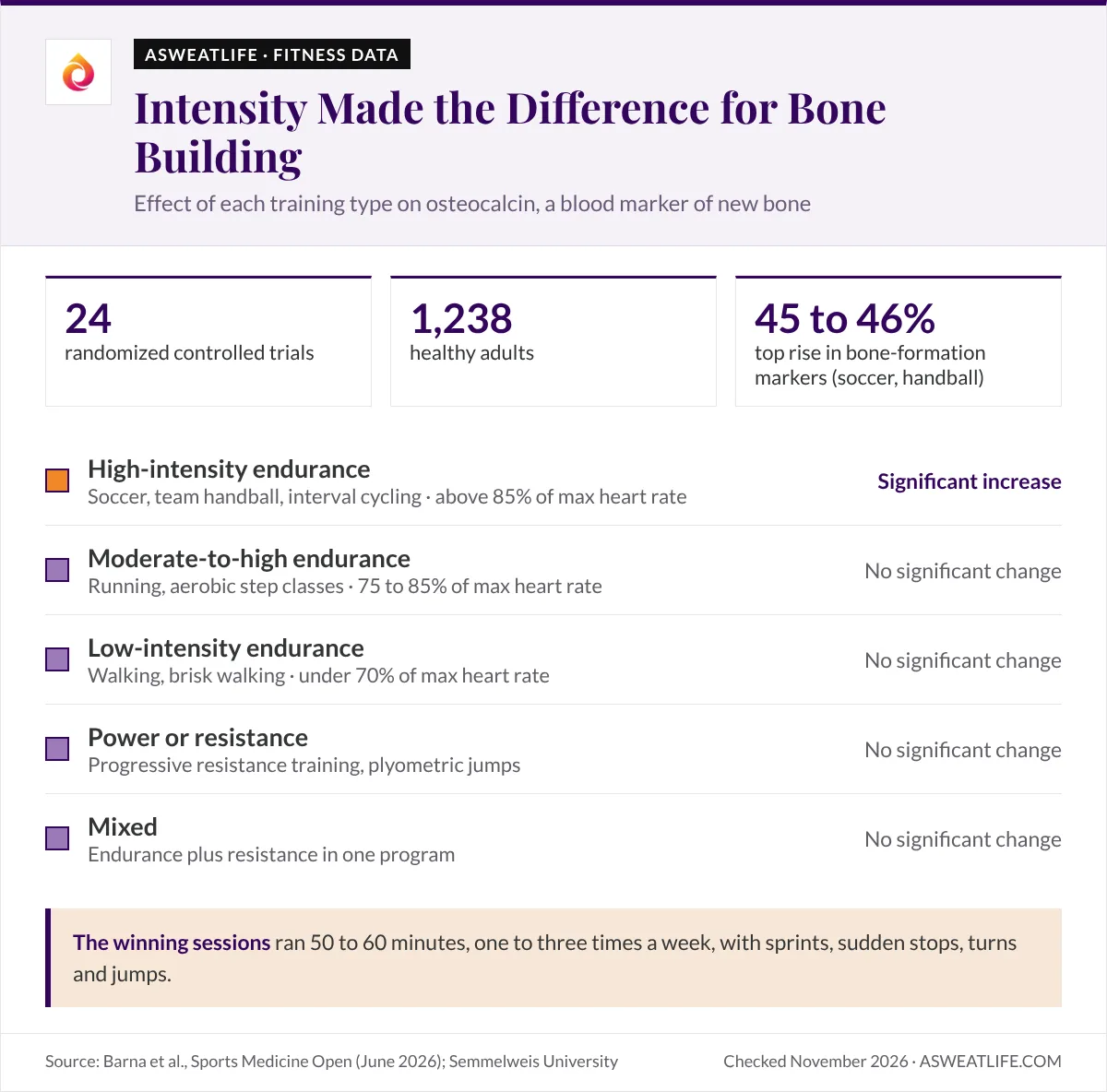
The review sorted programs by type and by how hard people worked, measured as a share of maximum heart rate. Here’s how each group came out on osteocalcin, the main bone-formation marker.
Use the filter to see which kinds of training raised the bone-building marker and which didn’t.
| Training type | Examples in the trials | How hard | Effect on osteocalcin |
|---|---|---|---|
| High-intensity endurance | Recreational soccer, team handball, interval cycling | Above 85% of max heart rate | Significant increase |
| Moderate-to-high endurance | Running, aerobic step classes | 75 to 85% of max heart rate (6 studies, 246 people) | No significant change |
| Low-intensity endurance | Walking, brisk walking | Under 70% of max heart rate (2 studies, 182 people) | No significant change |
| Power or resistance | Progressive resistance training, plyometric jumps | Low to high loads, 2 to 5 sessions a week | No significant change |
| Mixed | Endurance plus resistance in one program | Varied | No significant change |
Why Lifting Weights Didn’t Show the Expected Bump
First author Viktória Barna, a doctoral researcher at Semmelweis, called the strength result the most surprising part: “resistance training did not produce a significant effect on markers of bone metabolism,” she said, even though professional guidelines recommend it for bone health.
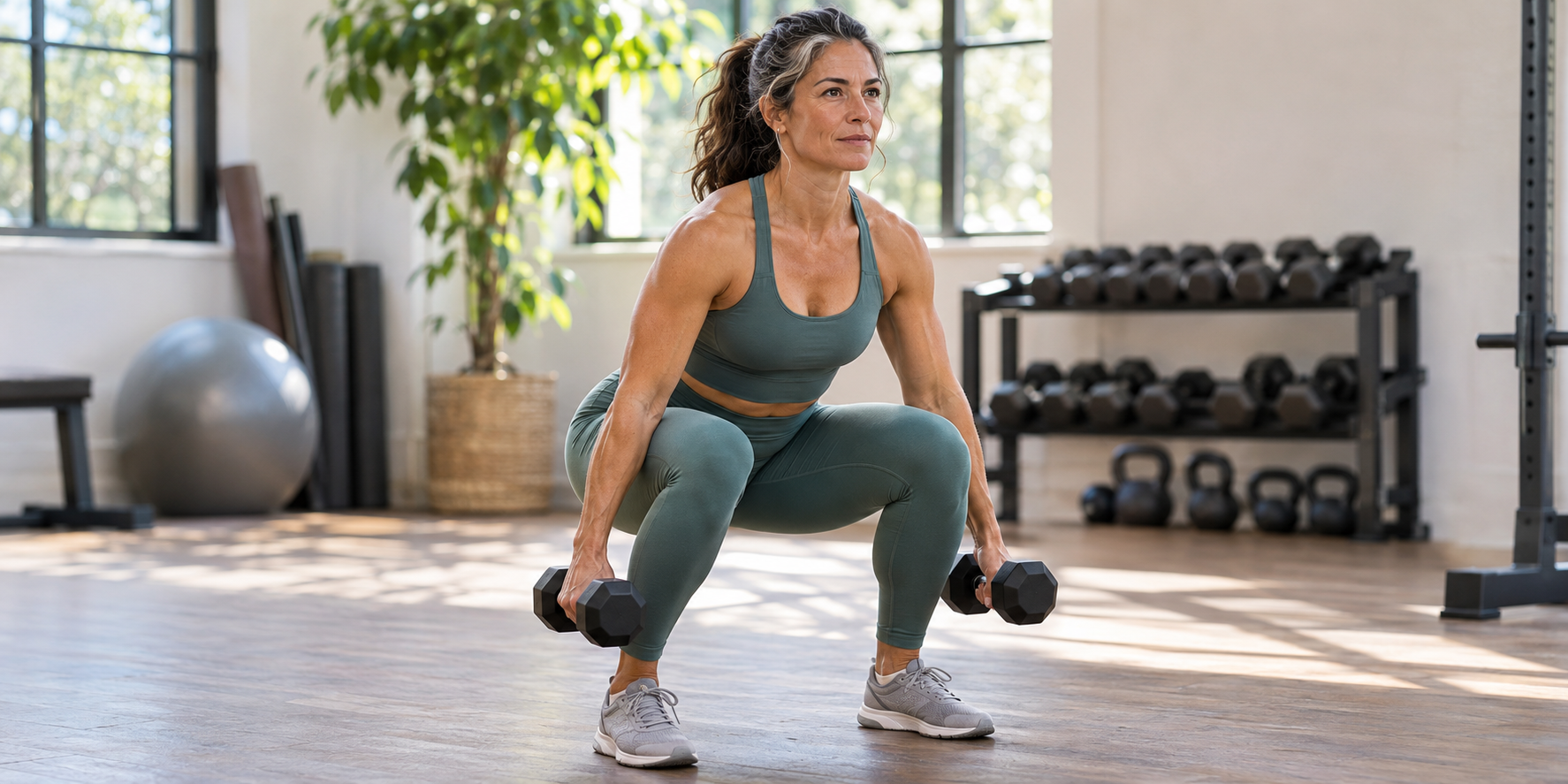
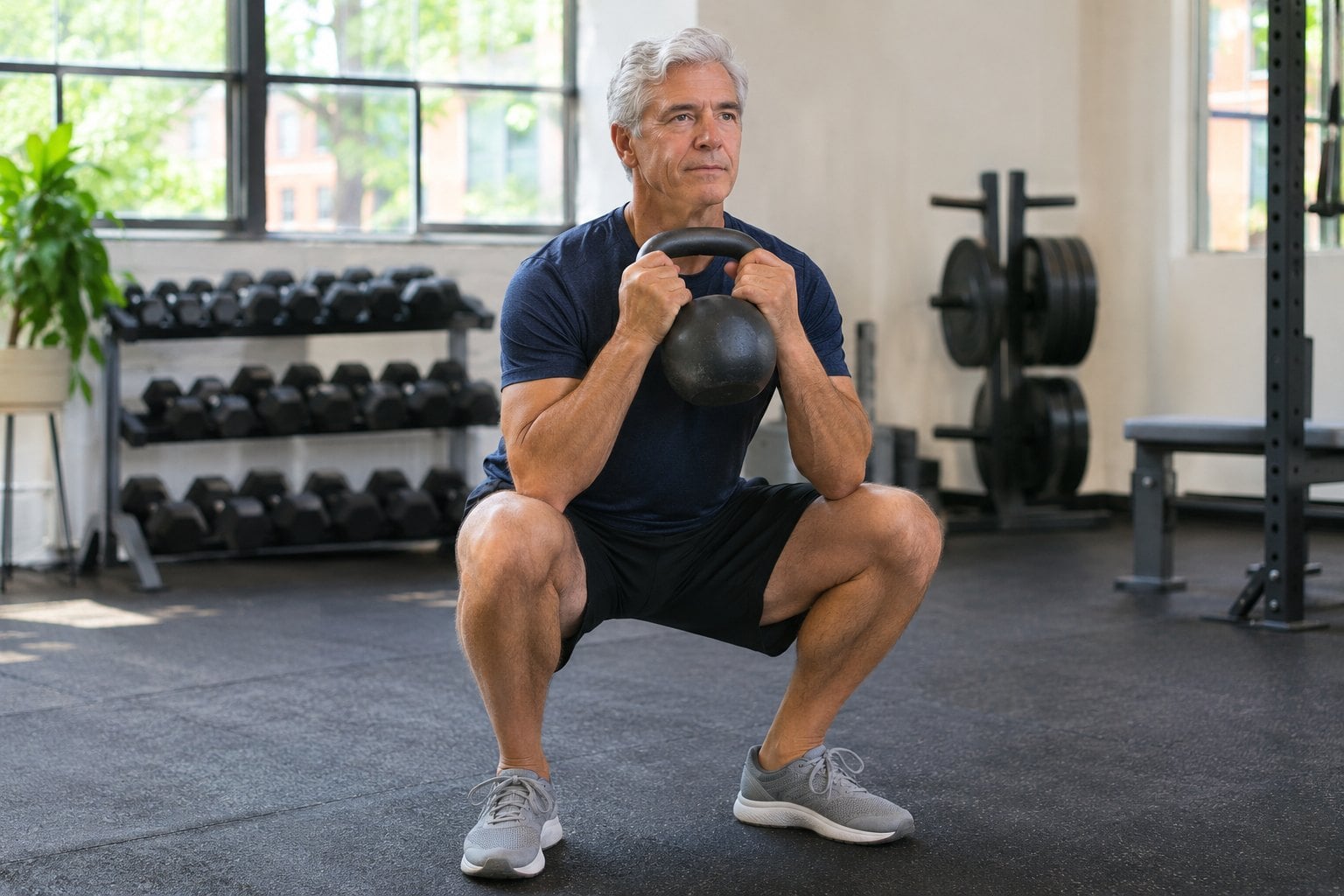
The details point back to intensity. In the review’s own reading of the trials, steady resistance work without dynamic loading didn’t show an improvement, while some individual studies found bigger osteocalcin gains when women added dumbbells or wrist weights to their workouts. And heavy, fast lifting has a track record of its own: in the LIFTMOR trial, 101 postmenopausal women with low bone mass who did supervised high-intensity resistance and impact training twice a week for eight months gained 2.9% in lumbar spine bone density, compared with a 1.2% loss in a home-based, low-intensity group.
Strength training still earns its place in your week. Light or steady work, on its own, may simply not send a strong enough signal to bone.
What This Means If You Walk or Lift After 40
The researchers aren’t telling anyone to give up walking or jogging, which still carry health benefits. Sydó put it this way: “low-intensity exercise alone is not sufficient to stimulate bone metabolism.” The operative word is alone.
That lines up with long-standing advice. The Bone Health and Osteoporosis Foundation recommends both weight-bearing and muscle-strengthening exercise, with high-impact options such as jumping rope, jogging, dancing, stair climbing and tennis to build bone, and low-impact choices such as brisk walking to help keep it strong.
If you’d like to act on the new findings, a few ways to add some speed and change of direction to a week you already have:
- Join a recreational soccer, handball or pickup league once a week (everything is better with friends).
- Swap one steady session for intervals that push your heart rate high for short bursts.
- Try a class built on quick footwork, such as dance cardio or a court sport, if a team sport doesn’t appeal. Our guide to finding movement that brings you joy can help you pick one you’ll stick with.
- Keep your strength days, and talk with a coach about progressing the load safely.
One caution from the team: people with cardiovascular, musculoskeletal or metabolic conditions, or with osteoporosis, should check with a doctor or sports medicine specialist before jumping into high-intensity exercise, and anyone new to it should build up gradually rather than starting suddenly. If you’ve broken a bone from osteoporosis, you may need to avoid high-impact moves altogether. If that appointment keeps slipping down your list, here’s how to get past putting off the doctor. Bone changes around menopause are part of the bigger picture too, which we cover in our piece on hormones and aging well.
The Limits of This Bone Health Review
A few caveats keep these results in perspective:
- Markers, not fractures. Osteocalcin is a signal of bone building. Bone mineral density did not change significantly in the trials that measured it, and the review did not track fractures.
- Moderate to low certainty. The authors rated the evidence for the high-intensity result as moderate to low certainty, and results varied a lot from trial to trial.
- Small groups. The walking finding rests on two studies, and other markers of bone turnover had too little data to analyze.
- Healthy adults only. People with health conditions, medications or supplements were excluded, so the findings may not apply to everyone.
The authors call for more trials with standardized exercise programs, and for a closer look at why high-intensity training has this effect. Ferdinandy discloses that he founded and leads Pharmahungary Group, a group of research and development companies; the other authors report no competing interests.
FAQ
Who Took Part in the Trials?
The 24 trials enrolled healthy adults ranging from young men in their 20s to women in their 70s, across countries including Denmark, Portugal, Spain, Poland, Japan, Korea and the United States.
Who Funded the Semmelweis Bone Study?
The review was supported by Hungary’s National Research, Development and Innovation Office, and Semmelweis University paid for open access so the paper is free to read.
Does This Mean Walking Is Bad for Your Bones?
No. In this review, walking simply didn’t raise the bone-formation marker the researchers tracked, and the authors say walking and jogging still carry health benefits worth keeping. Your next step: keep your walks and strength days, and try adding one faster, stop-and-start session to your week.
This article is for educational purposes and does not replace advice from a doctor, registered dietitian or qualified trainer.