Why Confidence Matters as Much as Skill in Youth Sports
Most kids quit sports by age 11, usually because it stops being fun. Here's how parents and coaches can build confidence, use private coaching wisely and protect rest.

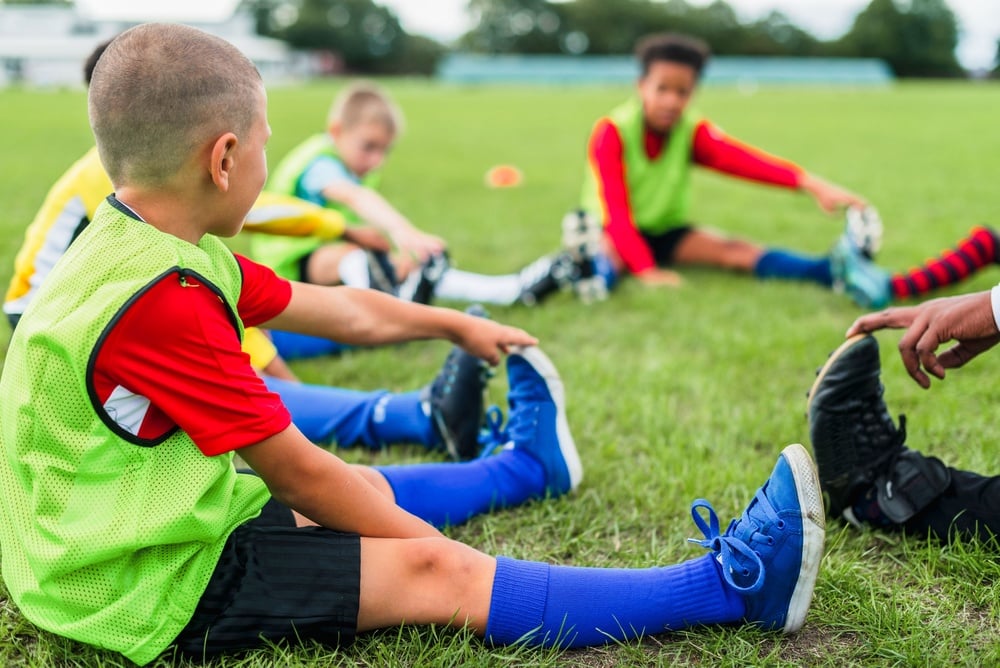
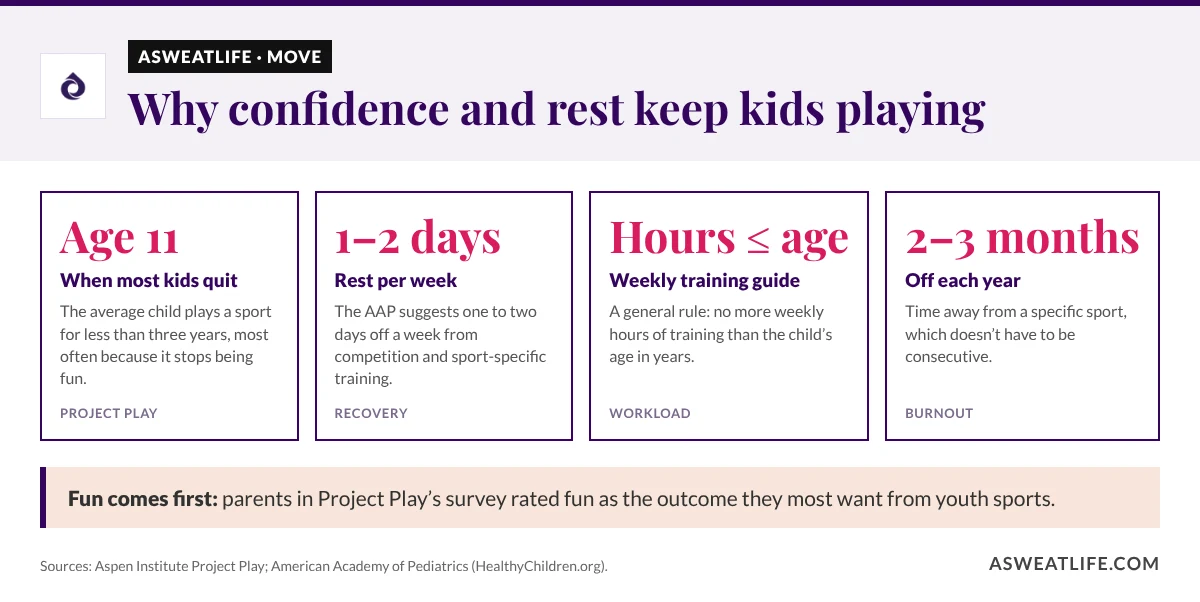
If you’re a parent or coach wondering why a talented kid suddenly wants to quit, confidence in youth sports may matter as much as skill. According to the Aspen Institute’s Project Play survey, the average child quits sports by age 11, most often because the sport isn’t fun anymore.
Below, we cover how confidence helps kids enjoy learning, what supportive coaching sounds like, when one-on-one coaching can help, how to handle mistakes and goals, and how much rest young athletes need.
Why Does Confidence Matter in Youth Sports?
Nobody starts a sport with good technique. Learning to dribble, serve or kick takes repetition, and kids who compare themselves with more experienced teammates can quickly decide they’re just not good at it.
Confidence changes that story. A child who notices their own progress, like finally landing a drill that felt impossible a few weeks ago, starts to see skill as something they build. That makes them more likely to keep practicing, and to keep having fun.
It’s the same pattern adults see when they pick up something new. Our guide to how learning a new skill builds confidence explains why small, visible wins matter so much.

What Does Confidence-Building Coaching Sound Like?
Good coaches teach the rules and the technique, but they also shape how kids feel about making mistakes in front of teammates. Specific, improvement-focused feedback does more than general encouragement or criticism:
| Instead of | Try | Why it helps |
|---|---|---|
| “Try harder.” | “Plant your left foot closer to the ball before you kick.” | Gives the child one thing they can actually change |
| “That was terrible.” | “What would you do differently next time?” | Turns a mistake into a learning moment |
| “You lost again.” | “You kept chasing back all game. That effort matters.” | Recognizes effort and teamwork, which are within their control |
| “Why can’t you do it like her?” | “Look how much better your passing is than in September.” | Compares them with their own progress |
Recognizing effort, persistence and sportsmanship tells kids those qualities count whether the team wins or loses. Kids who feel safe asking questions are more likely to keep showing up.
When Can One-on-One Coaching Help?
Team practice is great for friendships and cooperation, but a coach running a big group has limited time for each player. Some kids benefit from extra focused time on one skill, like ball control for a soccer player or shooting form for a basketball player.
Private lessons give space for personal feedback and repetition at the child’s pace. Platforms such as Athletes Untapped connect families with private coaches; the company says it covers 16 sports and requires every coach to pass a background check. Parents can browse its private sports coach directory to compare instructors by sport, location and experience.
Private coaching isn’t necessary for every young athlete, and it doesn’t replace a supportive team. Ask your child whether they want extra sessions, meet the coach first, and count those lessons toward their weekly training hours.

How Should Parents Handle Mistakes and Goals?
A missed shot or dropped pass can feel huge to a child. How the adults respond teaches them whether mistakes are part of learning or something to fear. After a tough game, try asking what they enjoyed or what they learned before talking about what went wrong, and don’t make every car ride about performance.
Goals work best when they’re personal and within the child’s control. A swimmer might focus on one part of their stroke, a tennis player on a more consistent serve, a runner on even pacing. One or two goals at a time is plenty, and “I just want to play with my friends” is a perfectly good goal too.
If your child is curious about other activities, that’s worth encouraging. Our piece on why it pays to learn a new sport looks at the benefits of trying something different.
How Much Rest Do Young Athletes Need?
This section is for general information and isn’t a substitute for advice from your child’s pediatrician.
More training doesn’t always mean more confidence. The American Academy of Pediatrics has linked the professionalization of youth sports to overuse injuries and burnout, and its parent guidance sets out some simple limits:
| AAP guidance | What it means in practice |
|---|---|
| Weekly hours no more than their age | An 11-year-old trains no more than 11 hours a week, including lessons |
| 1 to 2 rest days a week | Days with no competition or sport-specific training |
| 2 to 3 months off a year from one sport | Doesn’t have to be in a row; staying active in other ways is fine |
| One team per sport per season | Avoid stacking club, school and travel teams in the same sport |
These come from the AAP’s advice on overtraining in young athletes. Persistent tiredness, recurring pain, dread before practice or a sudden loss of enjoyment are all worth paying attention to, and worth a conversation with your pediatrician.
Use the checker below to compare a typical week against that guidance.
Enter your child’s age and a typical week of organized sport, counting practices, games and private lessons. The checker compares it with the American Academy of Pediatrics’ rest guidance so you can spot an overloaded schedule early.
Child’s age
Hours of organized sport per week
Full rest days per week
Teams in the same sport this season
Months off from their main sport per year
Things to talk about
How Do You Help Kids Define Success?
Ask them what they want from the sport. Some kids dream of playing in high school or college. Others mostly love being active and seeing their friends. Both deserve support.
Success might mean becoming a more confident player, making friends, learning to work as a team or simply looking forward to the next practice. The bigger goal is a positive relationship with movement that lasts into adulthood, and the mental health benefits that come with it, which our guide to exercise and mental health explores.
Youth Sports Confidence FAQ
Why do kids quit sports?
In Project Play’s national survey, the most common reason was that the sport stopped being fun. Injuries, burnout and cost also play a part.
How can parents build a child’s confidence in sports?
Praise effort and specific improvements, keep post-game talk positive, let your child set their own goals, and avoid comparing them with teammates.
Is private coaching worth it for kids?
It can help a child who wants focused work on a specific skill. It isn’t necessary for everyone, and lessons should count toward their weekly training load.
How many hours a week should a child play sports?
A common guideline from pediatric experts is no more weekly hours of organized sport than the child’s age, with one to two rest days each week.