The Joy of Being Bad at Something: Starting a Sport as an Adult Beginner
Most of the fear of being a beginner is in your head. Here's how to start a new sport as an adult, stay safe and enjoy being bad at it.
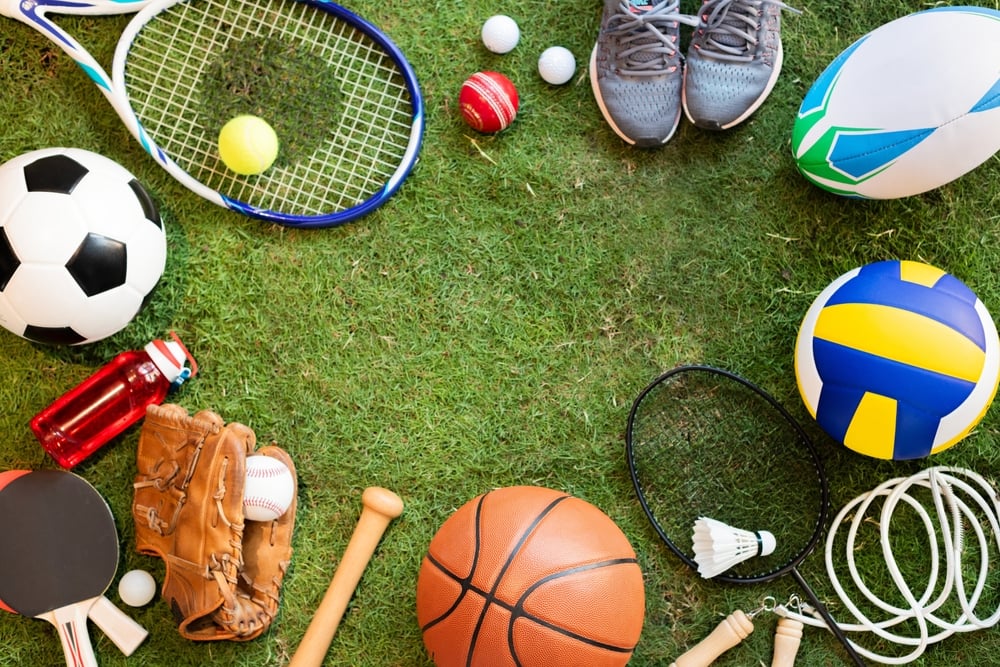
If you’ve ever skipped a class because you didn’t want to be the worst one there, starting a new sport as an adult beginner probably feels bigger than it should. Most of that fear is a trick of perspective: in a set of studies on the spotlight effect, people consistently overestimated how many others noticed their appearance and actions.
Below, you’ll learn why being bad at something is worth it, how to handle the fear of looking foolish, how to start a physical skill safely, and a planner that maps your first few sessions.
Why Is It So Hard to Be a Beginner as an Adult?
As kids, being new at things was normal. We fell off bikes, missed balls and tried again without much thought. As adults, we spend years getting competent at work and life, and walking into a room where we’re the least skilled person can feel like a step backward.
The questions that keep people on the sidelines are usually some version of these:
- What if I embarrass myself?
- What if everyone else is better?
- Am I too old to start?
- What if I’m never good at it?
Social media makes it worse. You see the kickflip, the clean serve and the perfect routine, but almost never the first awkward weeks behind them. Comparing your day one to someone else’s year five is a guaranteed way to feel behind.
Our piece on how learning a new skill builds confidence covers the confidence side in depth. This guide is about the physical part: actually showing up to a sport you can’t do yet, and enjoying it.
What Do You Get From Being Bad at Something?
A lot, as it turns out, and most of it has nothing to do with getting good.
- Your attention resets. Learning balance, footwork or timing takes enough focus that work worries get pushed aside for an hour.
- You build a different kind of confidence. It comes from knowing you can walk into something unfamiliar, struggle and keep going.
- Mistakes stop feeling personal. A missed shot in a beginner class is just feedback, and practicing that mindset carries over to the rest of life.
- You meet new people. Beginner classes are full of people at the same stage, which makes friendly conversation easy.
- Exercise gets interesting again. If the gym feels repetitive, a new skill gives you something to work on besides more reps.
Movement in a new sport still counts toward the CDC’s weekly physical activity guidelines of 150 minutes of moderate activity for adults, so the fun part and the health part go together.
How Do You Get Past the Fear of Looking Foolish?
You don’t have to make the nerves disappear. You just have to show up anyway, and it gets easier each time.
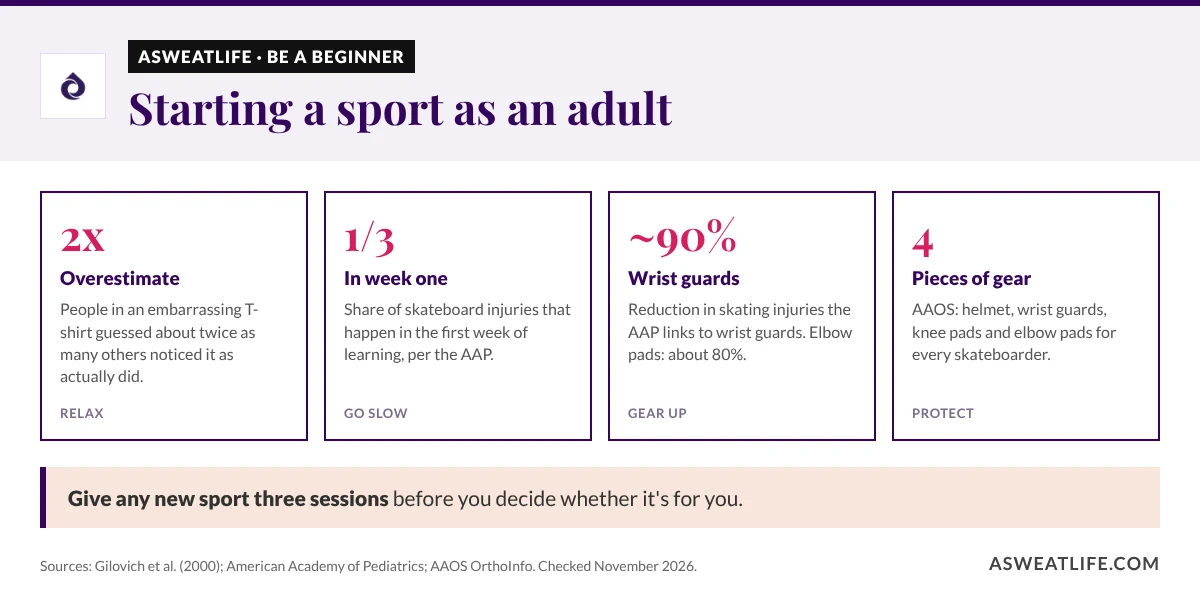
Start with the spotlight effect. In the original studies by Thomas Gilovich and colleagues, students who wore an embarrassing T-shirt into a room guessed that about twice as many people noticed it as actually did. In a beginner class, everyone around you is focused on their own feet, racket or board.
- Pick a class labeled beginner or adult. You’ll learn alongside people at your stage.
- Arrive a few minutes early and tell the coach you’re new. Good instructors adjust.
- Bring a friend if that makes it easier to walk in the door.
- Decide in advance that the goal of session one is to finish it, nothing else.
- Laugh at the misses. Everyone else in the room has had the same ones.

How Do You Start a New Sport Safely?
This article is for educational purposes only and doesn’t replace advice from a doctor or qualified coach. If you have an injury, a heart condition or haven’t been active in a while, check with your doctor before starting a new sport.
Being a beginner is fun until something hurts. A little planning keeps the early sessions enjoyable.
Skateboarding: Start Slow and Gear Up
Skateboarding is a classic adult bucket-list sport, and it’s a great way to discover balance and coordination you didn’t know you had. For first-timers, learning to balance on four wheels with a coach is a smart way to start, since lessons usually cover stance, pushing, stopping and falling before anything else.
Take safety seriously. The American Academy of Orthopaedic Surgeons recommends that skateboarders of all ages wear protective gear, including a helmet, wrist guards, and knee and elbow pads. The American Academy of Pediatrics notes in its skateboard safety advice that a third of skateboard injuries happen in the first week of learning, and that wrist guards can cut injuries by almost 90%. Stick to smooth pavement away from traffic, and save skate parks for later.
Tennis and Pickleball: Learn the Basics First
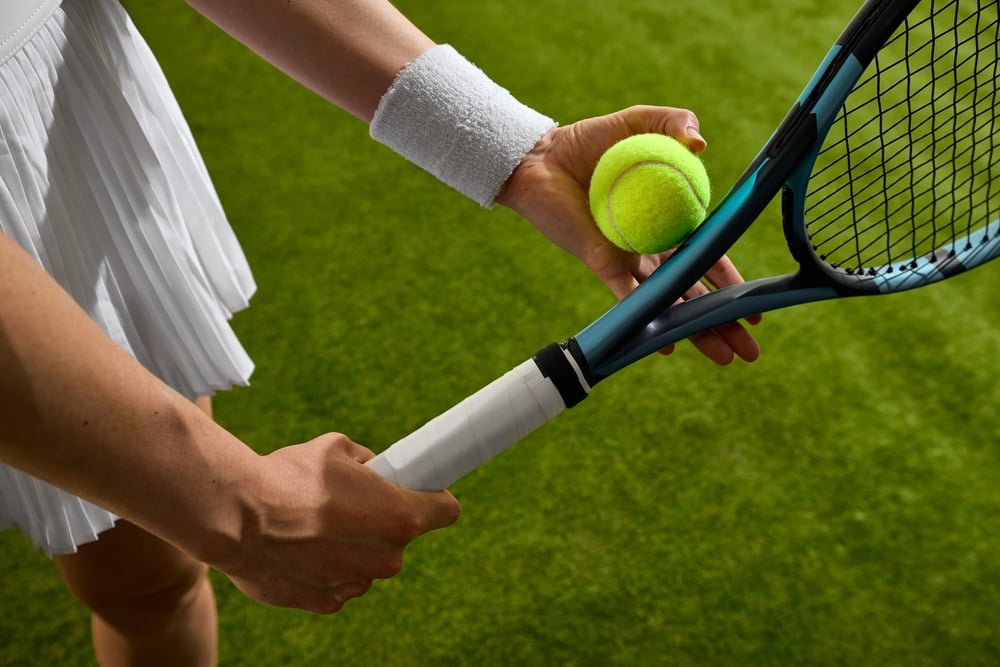
Racket sports are some of the easiest to pick up socially. Focus on small, specific goals rather than winning. For example, getting comfortable on the tennis court might mean rallying from the service line for ten minutes, or finally getting a serve over the net. A beginner clinic gives you structure, and many coaches lend rackets so you don’t have to buy gear before you know you like it.
Warm up before you play, wear court shoes with side support and take breaks. If you play golf or want another skill sport with a gentle learning curve, our guide to beginner golf for women walks through what you need for a first season.
| Sport | Gear to start | First milestone | Good first step |
|---|---|---|---|
| Skateboarding | Helmet, wrist guards, knee and elbow pads, flat shoes | Push, glide and stop on purpose | A beginner lesson on smooth pavement |
| Tennis | Court shoes, a loaner racket | Rally from the service line | An adult beginner clinic |
| Pickleball | Court shoes, a loaner paddle | Keep a dink rally going | Beginner open play |
| Swimming | Goggles, a lifeguarded pool | Swim one width without stopping | An adult learn-to-swim class |
| Indoor climbing | Rental shoes and harness | Finish two beginner routes | The gym’s intro or belay session |
| Dance | Comfortable shoes the studio allows | Follow a full combination slowly | A drop-in level 1 class |
How Do You Plan Your First Few Sessions?
Give any new sport three or more sessions before you decide whether it’s for you. The first time is mostly nerves; by the third you’ll know if you enjoy it. Use the planner below to get a gear checklist and a ladder of small wins for the sport you’ve been putting off.
Pick the sport you keep putting off and the worry that stops you. The planner gives you a gear and safety checklist, a reality check for that worry and a ladder of small wins for your first few sessions.
What do you want to try?
Your biggest worry
Sessions you’ll commit to before deciding
How will you learn?
Gear and safety before day one
Your ladder of small wins
Pair your new sport with basic strength work if you can. Our simple four-week beginner workout plan builds the kind of general strength that makes balance and racket sports feel easier.
How Do You Keep a Hobby From Becoming Another Chore?
Once you’re a few weeks in, it’s tempting to start tracking stats, buying better gear and setting performance goals. A little of that is fine. Too much and the hobby turns into another place to feel behind.
| If you notice this | Try this instead |
|---|---|
| You only enjoy sessions where you improve | Set a goal for fun, like trying one new trick or shot |
| You’re comparing yourself to others in class | Compare this week to your first session |
| You feel guilty about missing a week | Treat it as a hobby with no streak to protect |
| You want to quit after a rough session | Book one more before deciding |
You can stay a casual participant forever. Plenty of people skate, rally or dance for years without ever getting good, and they still get the movement, the company and the fun.
Frequently Asked Questions
Is it too late to start a sport as an adult?
No. Many programs run classes for adult beginners in skateboarding, tennis, swimming, climbing and dance. Start with a beginner session and build up gradually.
How do I stop feeling embarrassed in a beginner class?
Remember the spotlight effect: people overestimate how much others notice them. Choose a class labeled beginner, tell the coach you’re new and set a simple goal of finishing the session.
What safety gear do adult beginner skateboarders need?
The American Academy of Orthopaedic Surgeons recommends a helmet, wrist guards, and knee and elbow pads, plus closed-toe shoes with slip-resistant soles.
How many lessons should I take before deciding a sport isn’t for me?
Give it at least three sessions. The first one is mostly nerves, and you’ll have a much better sense of how much you enjoy it by the third.