Why Your Feet Hurt After Walking: 7 Common Shoe Mistakes
Foot pain after walking often comes back to your shoes. Here are seven common fit mistakes, a quick fit checklist and when to see a healthcare professional.

Medical disclaimer: This article is for general information only and doesn’t replace advice from a doctor, podiatrist or other qualified healthcare professional. If you have ongoing or severe foot pain, numbness, swelling or diabetes, get your feet checked rather than relying on footwear changes alone.
Walking is one of the easiest ways to stay active and clear your head, but foot pain after walking can turn even a short loop into something you dread. Sometimes the problem is what’s on your feet: a 2018 review found that between 63% and 72% of study participants wore shoes that didn’t fit the width or length of their feet.
Below, we cover what the location of your pain may hint at, seven common walking shoe mistakes from length and width to worn-out soles, a quick fit checklist, and when it’s time to see a healthcare professional.
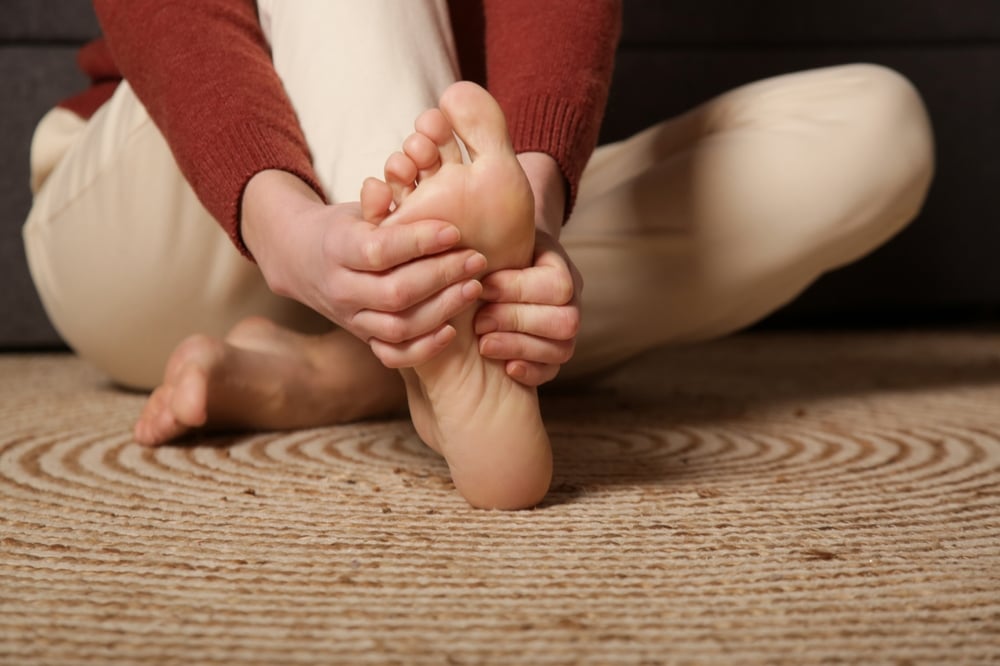
What Your Foot Pain Location May Tell You
Where your feet hurt can offer clues about what might be behind the discomfort, though it can’t give you a diagnosis on its own.
| Where it hurts | What it can be linked to | Shoe checks worth making |
|---|---|---|
| Heel or bottom of the heel | Plantar fasciitis, often worst with the first steps after rest | Heel cushioning, arch support and worn soles |
| Arch | Repetitive stress, foot mechanics or too little support | Arch support and stability for your distance |
| Ball of the foot | Pressure building up under the forefoot | Forefoot room and thinning cushioning |
| Toes or sides of the foot | Squeezing from short or narrow shoes | Toe room, width and toe box depth |
| Top of the foot | Pressure from laces or a low toe box | Lacing tension and upper depth |

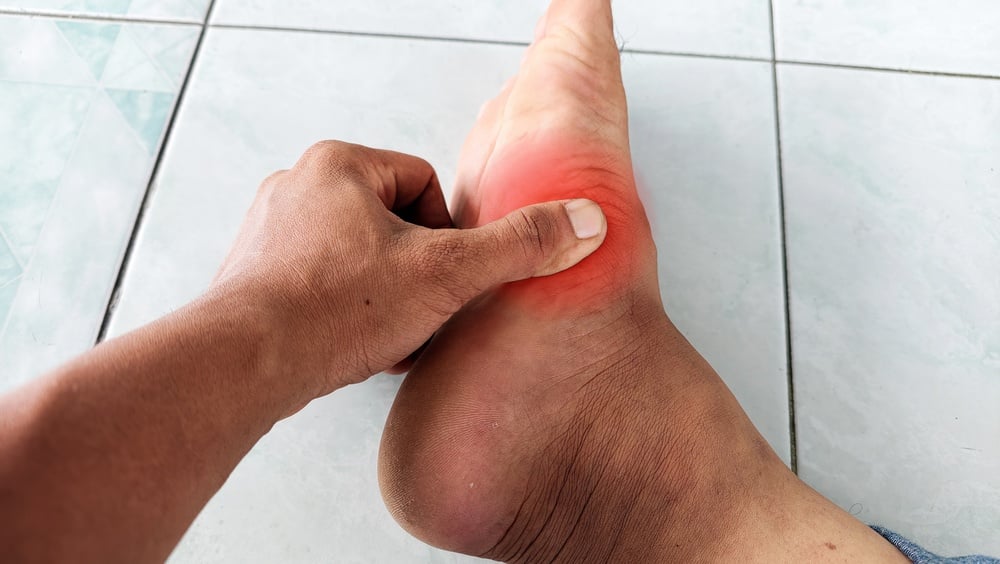
Heel pain is sometimes linked to plantar fasciitis. The NHS describes it as pain on the bottom of the foot around the heel and arch that’s often worse when you start walking after rest. Injuries and other conditions can cause similar symptoms, so treat the table as a starting point for questions.
Before assuming your walking routine is the problem, consider whether any of these footwear mistakes might be adding to it.
1. Wearing Shoes That Are the Wrong Length
One of the most common walking shoe mistakes is buying your usual size without checking how it actually fits.
Shoes that are too short squeeze your toes, adding pressure and friction with every step. Shoes that are too long let your feet slide forward, which raises the chance of rubbing, blisters and instability.
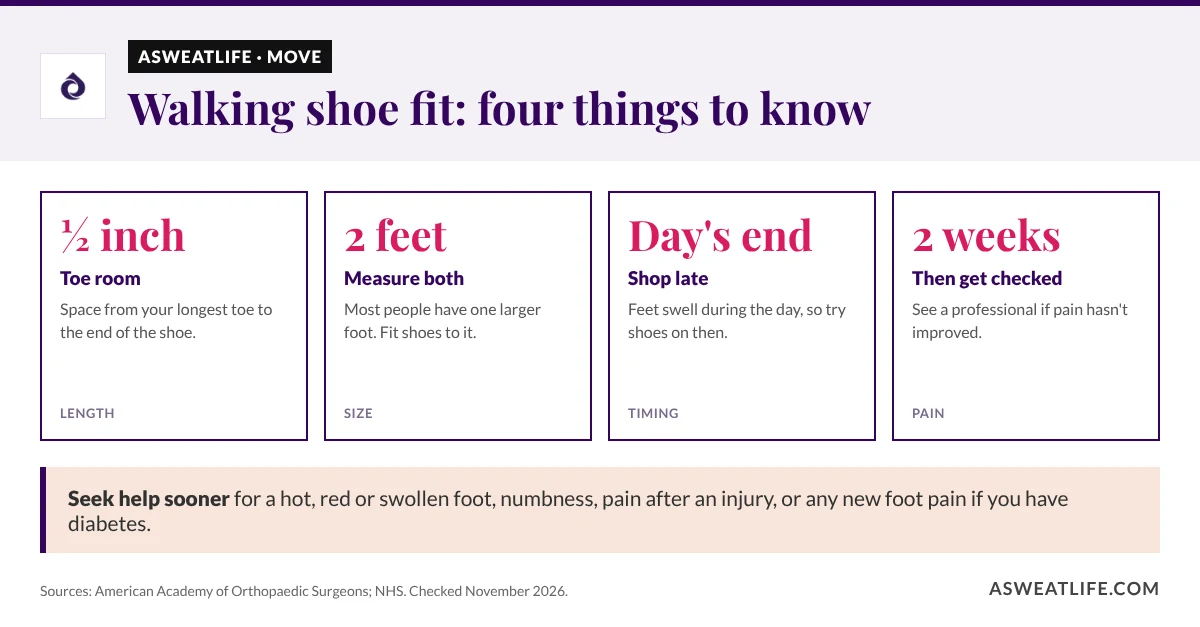
When you try on walking shoes, stand up and check the space at the front. The American Academy of Orthopaedic Surgeons suggests about half an inch between your longest toe and the end of the shoe, roughly a thumb’s width. Your toes should move comfortably without your heel slipping.
Sizing also varies between brands, so a size that fits perfectly in one may feel very different in another.
2. Ignoring Shoe Width and Toe Box Space
Many people focus on length and overlook an equally important measurement: width.
Shoes that are too narrow can squeeze the forefoot, crowd the toes and create pressure on longer walks. Warning signs include red marks along the sides of your feet, ongoing rubbing and discomfort around the toes or the ball of the foot. A shoe can be the right length and still be too narrow.
Buying a bigger size isn’t necessarily the answer. Going up a size may add some width, but it can also leave too much room around the heel and create new fit problems. Look instead for footwear that matches your actual foot width.
Men’s shoes come in width options such as 2E, 4E and 6E, although labels and fit vary between brands. When comparing a 6E shoe size, remember that 6E describes width only: you still need the right length, enough depth and a secure heel. Use the manufacturer’s sizing chart and your own measurements to decide whether that width suits you.
3. Continuing to Walk in Worn-Out Shoes
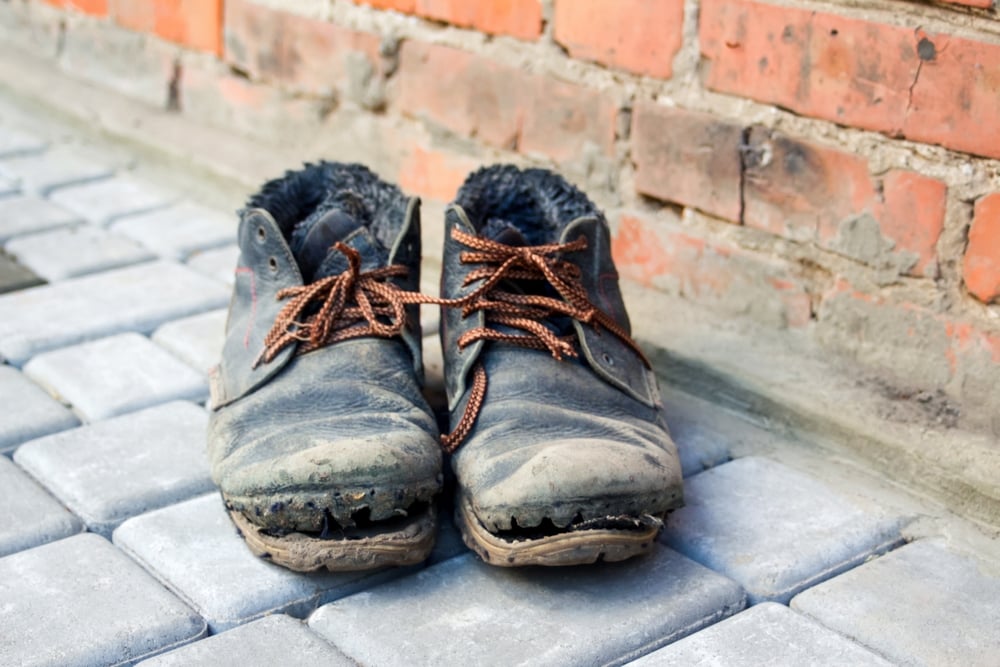
Your favorite walking shoes might feel familiar, but that doesn’t mean they still offer the comfort and support they once did.
Over time, repeated use compresses cushioning, wears down outsoles and weakens the shoe’s structure. Those changes can affect stability and how pressure spreads across your feet.
Common signs of worn-out walking shoes include uneven tread wear, flattened midsoles, damaged heel areas and a noticeable drop in comfort. Check your shoes regularly, especially if familiar routes have started to hurt.
There’s no universal replacement mileage, because durability depends on construction, walking surfaces, how much you walk and your own wear pattern. If your shoes have visibly broken down or no longer feel supportive, replacing them is usually the better choice.
4. Choosing Cushioning Without Considering Support
Soft cushioning can make walking shoes feel great when you first put them on, but softness and support aren’t the same thing.
Some heavily cushioned shoes feel unstable, while firmer designs can feel more secure. The right balance depends on your foot structure, walking habits and personal comfort, so someone with high arches may prefer something different from someone with flatter feet.
Look for shoes that combine comfortable cushioning with suitable arch support, a stable heel and a secure fit. Try walking in several styles instead of judging comfort by pressing the sole with your fingers.
No single cushioning or support design works for everyone, and changing footwear alone can’t fix every cause of foot pain.
5. Wearing Shoes That Aren’t Suited to Walking
Not every comfortable-looking shoe is right for longer walks. Dress shoes, unsupportive sandals and some gym shoes may lack the mix of cushioning, stability and flexibility your usual routine needs.
Some athletic shoes are built mainly for side-to-side movement, while others suit forward motion. Walking shoes generally need to allow your feet’s natural movement while giving reliable traction and a secure fit.
Your usual walking surface matters too. Indoor floors, paved sidewalks and uneven trails all ask different things of a shoe, and a pair that feels fine on a quick errand may struggle over several miles of rough ground. If you also train in the same pair, our roundup of training shoes for every type of workout explains how different designs suit different activities.
6. Overlooking Heel Fit and Proper Lacing
Even shoes with plenty of toe space can cause trouble if they don’t hold your heel securely. Too much heel movement creates friction, which raises the chance of blisters and irritation on longer walks.
Tightening your laces as hard as possible isn’t the fix, though. Overly tight lacing can press across the top of your foot, especially as your feet swell slightly during activity. Adjust the laces so your midfoot feels secure without pinching or limiting natural movement.
When you try on new shoes, walk around indoors and watch for heel movement. A little natural movement is fine, but your heel shouldn’t keep lifting or sliding around inside the shoe.
7. Assuming Painful Shoes Just Need Breaking In
It’s tempting to believe uncomfortable shoes will feel better if you wear them long enough. Some materials do soften with use, but breaking shoes in won’t reliably fix problems with length, width or construction.
If your toes feel squeezed, your heel rubs repeatedly or the shoe creates painful pressure points, deal with it now. Walking on in poorly fitting footwear can increase irritation instead of improving comfort. A better approach is to choose shoes that feel comfortable and secure from the start.
Your feet can also change over time. AAOS notes that foot size increases as you get older, and changes in body weight and some health conditions can affect foot shape too. Even if you’ve worn the same size for years, re-measuring now and then can help you find a more comfortable fit.
How to Check Your Walking Shoes for a Better Fit
Before buying new walking shoes or heading out in your current pair, take a few minutes to check the fit:
| Check | How to do it | What to look out for |
|---|---|---|
| Measure both feet | Check length and width later in the day, when feet are largest | Fit shoes to the larger foot |
| Toe space and depth | Stand up and check the front, sides and top of the shoe | Toes pressing against any part of the shoe |
| Standing comfort | Put your full weight on both feet | Pinching or pressure once you’re standing |
| Walking test | Walk around indoors for a few minutes | Heel slipping, rubbing or hot spots |
| Socks | Wear the socks you usually walk in | A snug fit that changes with thicker socks |
| Cushioning and support | Compare a few styles on a hard floor | Wobbling, or soreness in the arch or heel |
| Your current pair | Look at the tread, midsole and heel | Uneven wear, flattened cushioning or damage |
AAOS also recommends trying on new shoes at the end of the day, since feet normally swell after you’ve been standing or sitting, and fitting shoes to your larger foot. Use the checker below to narrow down which fit issues to look at first.
Pick where your feet hurt and what you notice in your shoes. The checker points to the fit issues worth checking first. It offers general information only and can’t diagnose foot pain.
Where does it hurt most?
What do you notice in your shoes?
Any of these?
How long has it been going on?
Fit checks to try
When Should You See a Healthcare Professional?
Not every case of foot pain after walking comes from the wrong shoes. Conditions such as plantar fasciitis, stress injuries, arthritis and nerve problems can also play a part.
Consider seeing a healthcare professional if your pain persists, gets worse, keeps coming back or gets in the way of everyday activities. Versus Arthritis advises speaking to a professional if foot pain is severe or has not improved after two weeks.
- Get medical help quickly if your foot is red, warm or swollen, you have a high temperature or feel hot and shivery, or your skin has changed color.
- Seek urgent care for severe pain after an injury or if you can’t put weight on your foot.
- See a doctor promptly about new foot pain, numbness or tingling if you have diabetes, since foot problems can be more serious with diabetes.
A doctor or podiatrist can assess your symptoms, look for underlying causes and recommend treatment or footwear changes.
Foot Pain After Walking FAQ
Why do my feet hurt after walking?
Common reasons include shoes that are too short or narrow, worn-out cushioning, too little support and conditions such as plantar fasciitis. Pain that lasts or keeps returning is worth getting checked.
How much room should walking shoes have at the toe?
AAOS suggests about half an inch between your longest toe and the end of the shoe, roughly a thumb’s width, with room to wiggle your toes.
Should I buy a bigger size if my shoes feel tight?
Not always. If the shoes are tight across the foot, a wider fitting in your correct length often works better than going up a size, which can leave your heel loose.
What does 6E mean in shoe sizes?
6E is an extra-wide width fitting in men’s shoes. It describes width only, so you still need the right length, depth and a secure heel.
When should I see a doctor about foot pain?
See a professional if pain is severe, hasn’t improved after two weeks, keeps coming back or stops you doing everyday things. Get help quickly for a red, hot or swollen foot, pain after an injury, or new foot pain if you have diabetes.
Next Steps for More Comfortable Walks
Comfortable walking starts with footwear that fits your feet and suits your activity. If your feet regularly hurt after walking, check your shoes for problems with length, width, cushioning, stability and visible wear. Small changes, such as choosing the right width or replacing worn-out footwear, can make a real difference.
Avoid pushing through persistent pain, adjust your walking when you need to, and get professional advice if symptoms continue. Walking is one of the most popular ways to stay active, and our look at why walking has stuck as a fitness trend shows why it’s worth protecting. If you’re building it into a bigger plan, our guide to building a wellness routine with small habits can help you keep it going.