What Goes Into a Good Protein or Greens Powder?
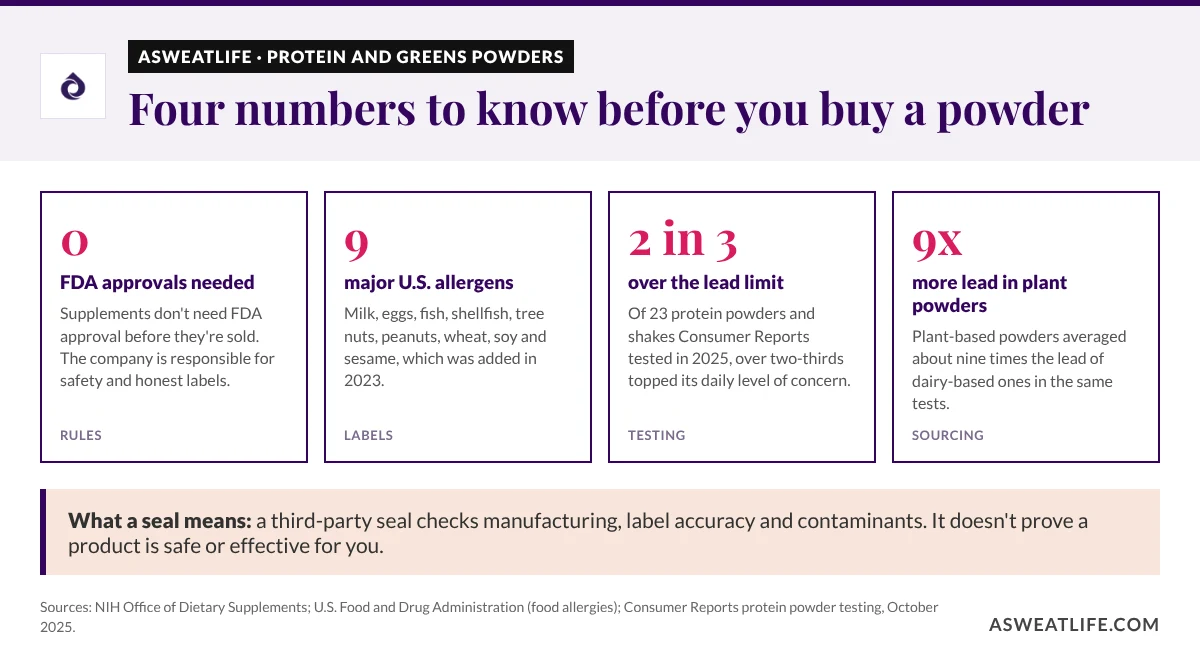
A good protein or greens powder has to mix smoothly, taste decent and actually contain what the label says, and that last part is harder than it sounds. In October 2025, Consumer Reports tested 23 popular protein powders and shakes and found that more than two-thirds contained more lead per serving than its experts consider safe for a whole day.
Here is how powders are formulated for mixability and taste, how protein, greens and electrolyte blends differ, what to look for on the label and in testing, and how custom blends get from idea to shelf.
How Is a Protein or Greens Powder Formulated?
This article is for general education and doesn’t replace advice from a doctor or registered dietitian, especially if you are pregnant, have a health condition or take medication.
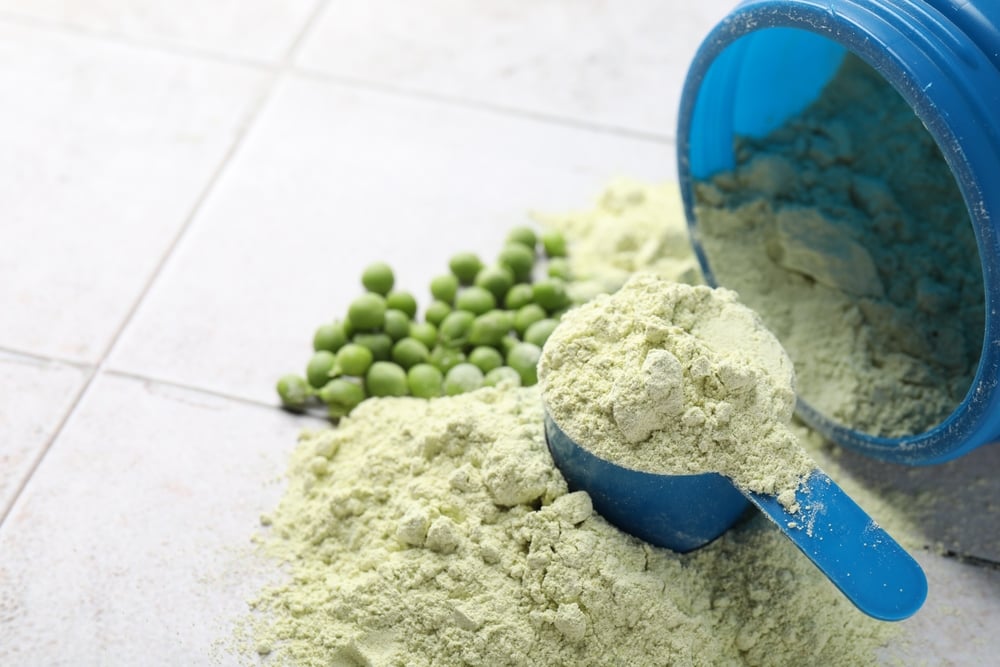
A well-made powder should mix smoothly and taste good in water, milk or a smoothie, with the same texture every time. Ingredient choice does most of the work. Plant proteins such as pea or rice often need flavors like cocoa or vanilla to mask earthy notes, and emulsifiers such as lecithin help stop clumping and improve how the drink feels in your mouth.
Not every powder dissolves the same way. Fine, leafy particles in a greens blend tend to settle or float, so they need more processing to stay evenly mixed. Protein powders made without fillers or added sugar may need small tweaks to dissolve easily and stay creamy (or clear, for some whey isolates). Sweeteners such as stevia or monk fruit can improve the taste without adding sugar, though some people find they leave an aftertaste.
Mixability is something you can test at home. Our guide to building a balanced protein shake covers the liquids and add-ins that change texture the most.
What Is the Difference Between Protein, Greens and Electrolyte Powders?
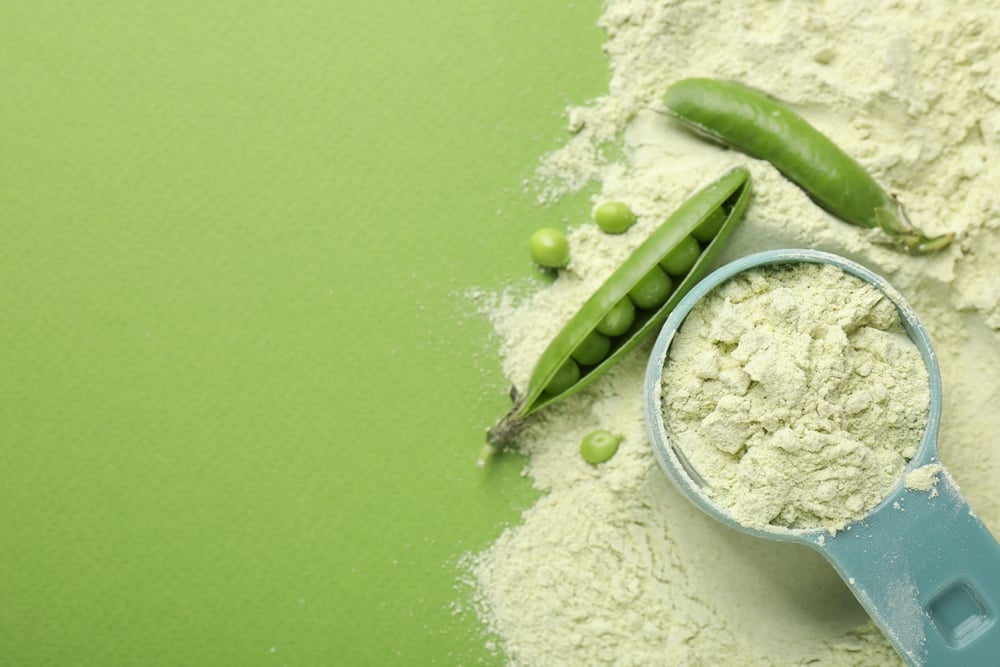
The categories differ in more than their ingredient lists. Protein powders usually support muscle repair, recovery or meal replacement, and they can be built from whey, soy, or a mix of plant proteins. Each base needs its own balancing to avoid an aftertaste or poor mixing.
Greens powders aim to add vegetables, grasses and other plant ingredients in a concentrated scoop, and they often taste earthy, so fruit or herbal flavors do a lot of work. Electrolyte powders supply minerals such as sodium, potassium and magnesium for hydration, and they usually need flavors and acids to cover the sharp mineral taste. Many come in single-serve stick packs.

| Powder type | What it is for | Common formulation challenge | Check on the label |
|---|---|---|---|
| Protein (dairy) | Recovery, extra protein, meal replacement | Clumping, staying creamy or clear | Protein per serving, milk allergen, sweeteners |
| Protein (plant) | Same, for dairy-free diets | Earthy taste, gritty texture | Protein sources, heavy metal testing |
| Greens | Adding vegetables and plant ingredients | Bitter or grassy flavor, settling | Each ingredient and its amount, botanicals |
| Electrolyte | Hydration during long or sweaty sessions | Salty, sharp mineral taste | Sodium and potassium per serving, sugar |
If you are still choosing a protein type for your own training, our guide to finding the right protein powder for you walks through the options by goal and diet.
Pick the type of powder, then tick what you can see on the tub or the brand’s website. You’ll get a quick read on how transparent it is and what to ask next.
1. What kind of powder is it?
2. What can you find?
What to ask or check next
What Should You Look for on a Powder Label and in Testing?
Supplements don’t need FDA approval before they go on sale. According to the NIH Office of Dietary Supplements, companies are responsible for safety and truthful labels and must follow good manufacturing practices, while the FDA inspects facilities periodically. That makes the label, and the testing behind it, your main tools.
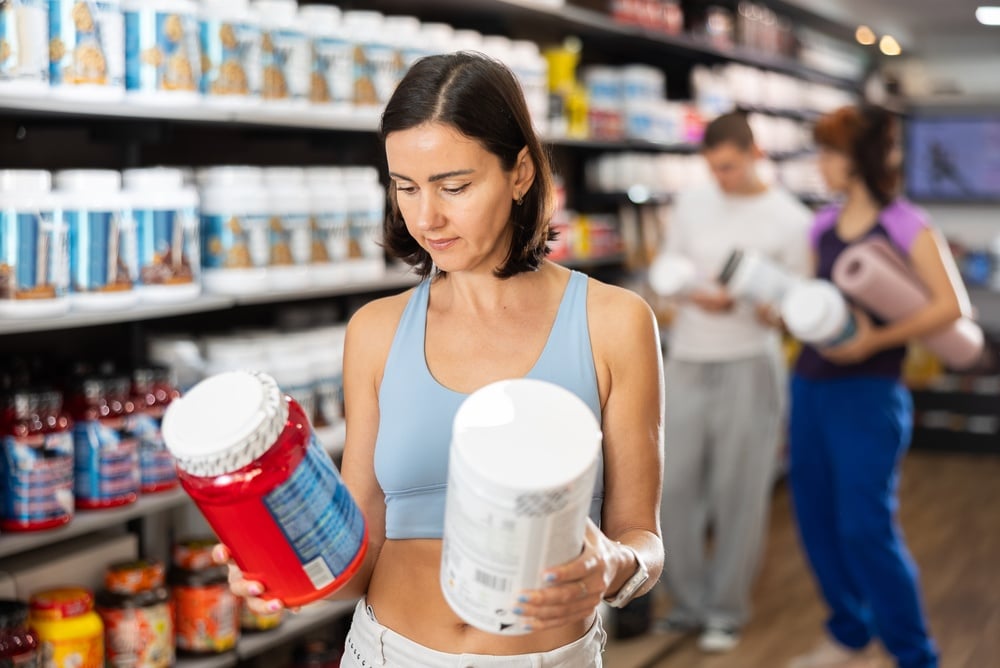
- Serving size and amounts: grams per scoop, plus protein, sugar or sodium per serving.
- Full disclosure: the amount of each ingredient, rather than a “proprietary blend” that hides the doses.
- Allergens: the U.S. recognizes nine major food allergens, including milk, soy, wheat and sesame.
- Sourcing: brands should get ingredient certificates covering allergens, heavy metals and microbes, and standardized botanicals help greens blends stay consistent from batch to batch.
Third-party testing adds another layer. Seals from certifications like NSF, Informed Choice or USP show an outside lab checked the product, and the NSF/ANSI 173 standard for dietary supplements looks at whether the label matches what is inside, contaminant levels and manufacturing practices. But a seal doesn’t guarantee a product is safe or right for you, and each program covers different things, so check what the brand says was tested.
Heavy metals deserve extra attention with plant proteins. In the same Consumer Reports testing, plant-based powders averaged about nine times as much lead as dairy-based ones. Lead can come from soil and water, so ask for batch test results if you use plant protein daily.
Greens powders raise their own questions, since a long ingredient list can include botanicals that interact with medication. Our dietitian’s take on what to know about Athletic Greens shows how to read one closely.
How Do Custom Powder Blends Get From Idea to Shelf?
For coaches, gyms and brands making their own blend, a launch starts with research and small pilot batches. Before ordering at scale, test pilot batches for flavor, how well they dissolve and how they fit the packaging. Tastings with your target audience show whether a blend masks earthy greens or stays creamy in almond milk.
| Stage | What happens | Questions to ask |
|---|---|---|
| Brief | Goals, audience, flavor and price point agreed | Who is it for, and what should one scoop deliver? |
| Formulation | Ingredients chosen and samples made | Can I see samples in different flavors and sweeteners? |
| Pilot batch | Small run tested for taste, mixing and stability | How does it taste in water, milk and plant milk? |
| Testing and labels | Ingredient checks, label claims and allergens reviewed | Which tests are done, and on which batches? |
| Packaging | Tubs, pouches or stick packs chosen and labels prepared | Which format suits how customers will use it? |
| Production | Full run, fulfillment and ongoing batch checks | What are the minimum order and lead times? |
Most new brands work with a contract manufacturer. Look for one that can take a formula from samples through production, and ask about ingredient sourcing, testing, labeling, packaging options, timelines and minimum order sizes. EVO Botanicals USA, based in Hallandale Beach, Florida, is one example: its page on custom powder manufacturing describes formulation and sampling, ingredient sourcing, label preparation and packaging in tubs, pouches and stick packs. It says minimum orders depend on the formula and packaging, so ask for figures for your project, and ask any manufacturer which certifications and test results it can share.
Packaging affects more than looks. Large tubs suit home use, while stick packs suit gym bags and travel and make serving sizes exact. Before launch, double-check artwork and label wording, confirm order details and line up fulfillment. A misprinted label or a damp warehouse can undo months of formulation work.
Protein and Greens Powder FAQs
Are protein powders approved by the FDA?
No. Dietary supplements don’t need FDA approval before they are sold. Companies are responsible for making safe products with truthful labels, and the FDA can act against unsafe products after they reach the market.
Do third-party seals mean a powder is safe?
Not on their own. A seal from a group such as NSF or USP shows the product was properly made, contains what the label lists and isn’t contaminated above set limits. It doesn’t mean the product is effective or right for you.
Are plant-based protein powders higher in lead?
On average, yes, in Consumer Reports’ October 2025 testing, where plant-based powders averaged about nine times the lead of dairy-based ones. Results vary by brand and batch, so look for products that share heavy metal test results.
Why do some powders clump?
Clumping usually comes from the protein type, particle size and missing emulsifiers. Adding the powder to liquid (not the other way around), using a shaker or blender and choosing powders with ingredients like lecithin all help.
What should a coach ask a powder manufacturer?
Ask about samples, ingredient sourcing, which tests are run on each batch, label review, packaging formats, minimum order sizes and lead times. Get the answers in writing before you commit.