Best Non-Alcoholic Wine: Six Bottles Worth Trying Right Now
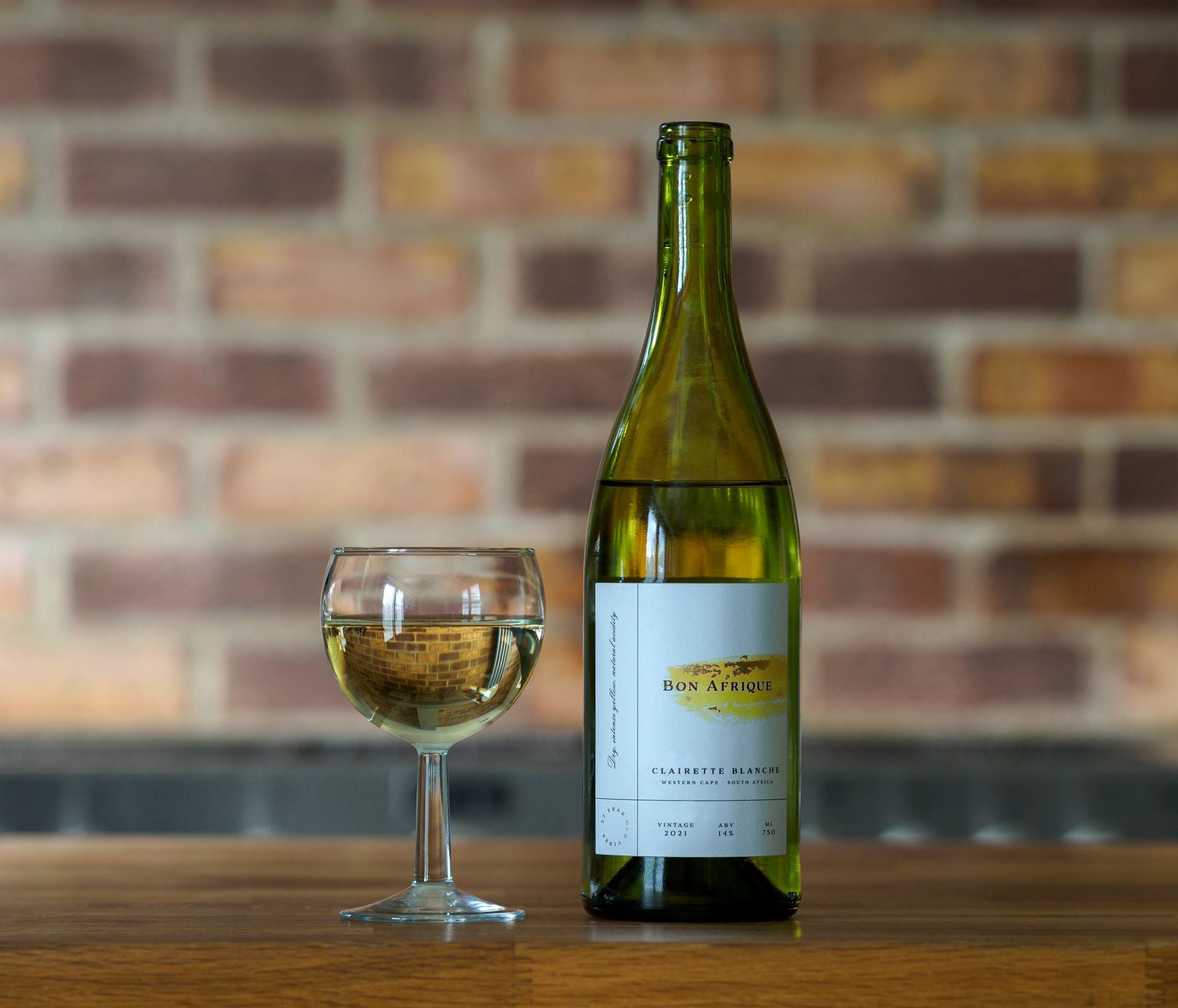
If you want the ritual of a glass of wine without the alcohol, non-alcoholic wine has gotten much better, and the bottles below are the ones worth a first try. We picked six, across whites, reds and sparkling, and flagged what sets each one apart: the grapes, the method used to remove the alcohol and the flavor you can expect.
The biggest differences between bottles come down to how the alcohol comes out. A 2021 lab comparison found reverse osmosis kept far more aroma compounds than vacuum distillation, which is why method shows up in every entry below. Still deciding whether cutting back is your next goal? That’s OK (goals pivot), and this guide sticks to what to pour.
Non-Alcoholic Wine at a Glance
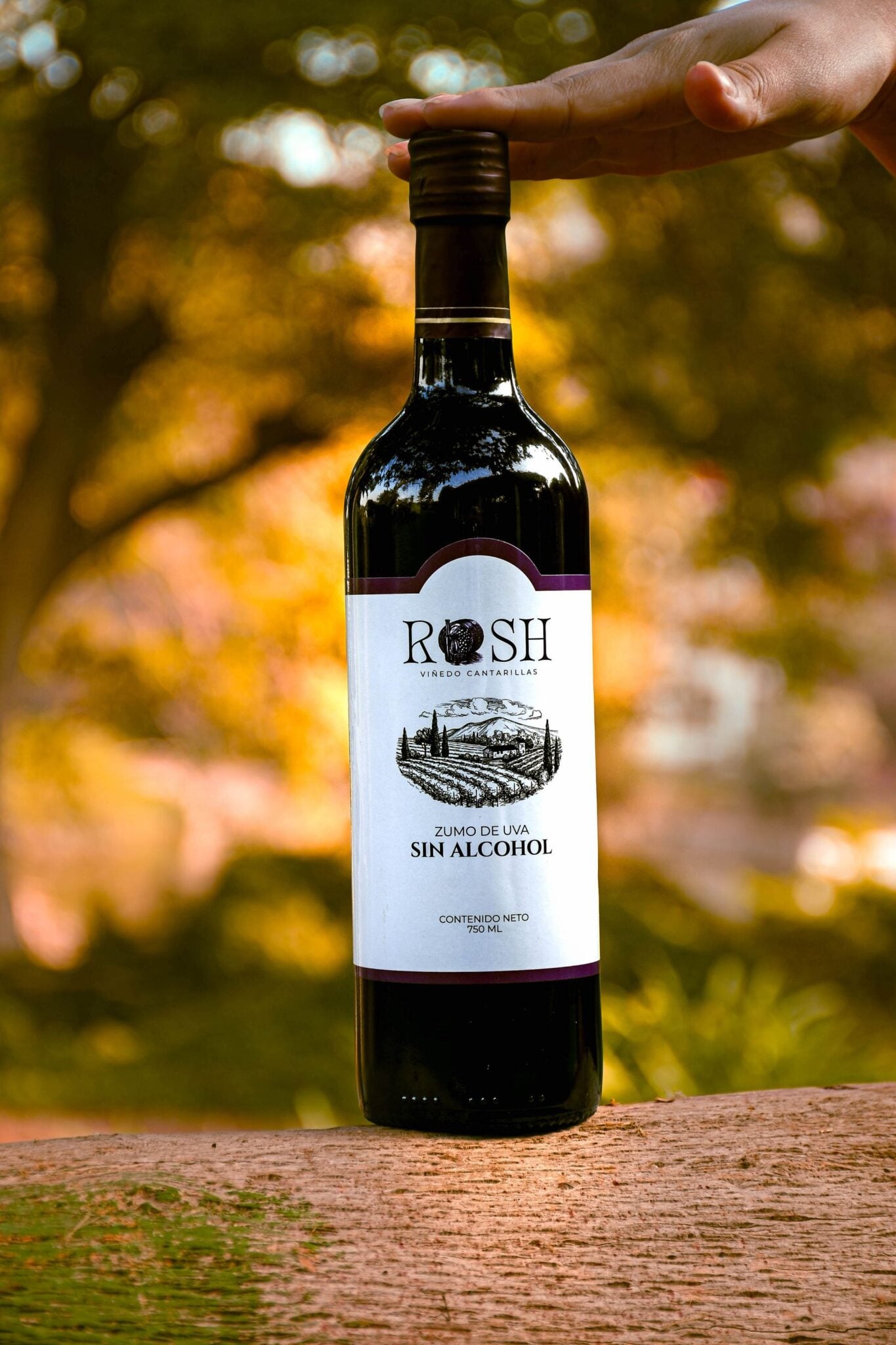
Use the table to match a bottle to the glass you want.
Filter the picks by style to see how each bottle is made and what it tastes like.
| Wine | Style | How the alcohol is removed | Best for |
|---|---|---|---|
| Ariel Chardonnay and Cabernet Sauvignon | White and red | Reverse osmosis | Big flavor |
| Leitz Eins Zwei Zero Riesling | White | Made from the same wine as the alcoholic version | Crisp, citrusy sipping |
| Giesen Zero-Alcohol Sauvignon Blanc | White | Not stated | Tart, bright whites |
| Noughty Syrah and Sparkling Chardonnay | Red and sparkling | Alcohol removed, then tannins and a little sugar added back | Body and bubbles |
| Surely Sauvignon Blanc and Pinot Noir | White and red | Spinning cone column | Wine-like texture |
| Luminara Red Blend and Chardonnay | Red and white | Aged in oak barrels | Smoky, oaky reds |
Which Non-Alcoholic Wines Are Worth Trying?
1. Ariel Chardonnay and Cabernet Sauvignon, California: Best for Flavor
Ariel is one of the longest-running names in the category: the line debuted in 1985 and the wines come from J. Lohr vineyards in Monterey County and Paso Robles. They are fermented and barrel aged first, then the alcohol is removed. The Chardonnay leans tropical fruit and ripe apple with a light toasty oak note. The Cabernet Sauvignon brings black currant, cherry and chocolate with soft tannins.
Wine Spectator’s tasting director rated the Ariel Chardonnay and Cabernet Sauvignon as the most flavorful of the non-alcoholic wines she tasted, and the brand uses reverse osmosis, the method that kept the most aroma in the lab comparison above. There is also an Ariel Sauvignon Blanc if you want something with lime, kiwi and passionfruit.
2. Leitz Eins Zwei Zero Riesling, Germany: Best for Crisp, Citrusy Sipping
Leitz makes its alcohol-free Riesling from the same wine as its alcoholic bottles. The Eins Zwei Zero Riesling shows citrus, rhubarb and apple, and Leitz also sells a Sparkling Rosé made from 100% pinot noir that is crisp and not too sweet. It comes in bottles and single-serve cans, which makes it an easy first bottle to share or to try without committing to a full 750 ml.
3. Giesen Zero-Alcohol Sauvignon Blanc, New Zealand: Best for Bright, Tart Whites
Giesen’s zero-alcohol Sauvignon Blanc delivers ripe fruit, a pleasant tartness and a crisp finish. It’s a good fit if you usually reach for a zippy white with salads, seafood or goat cheese.
4. Noughty Syrah and Sparkling Chardonnay: Best for Body and Bubbles
Noughty removes the alcohol and then adds back tannins, mannoproteins and small amounts of sugar to rebuild the structure that alcohol normally provides. The range includes a syrah, a sparkling chardonnay and a sparkling rosé, and all of them are halal and vegan. Because a little sugar goes back in, check the label if you are tracking it (more on that below).
5. Surely Sauvignon Blanc and Pinot Noir: Best for Wine-Like Texture
Surely uses spinning cone column technology, a method that strips the aromas out first, removes the alcohol and then returns the aromas to the wine. The line covers a sauvignon blanc, a pinot noir and a sparkling rosé, and it’s made to taste and feel close to a regular bottle. Reviewers don’t agree on every bottle, so start with a single one before you stock the fridge.
6. Luminara Red Blend and Chardonnay, Napa Valley: Best for Smoky Reds
Luminara is produced in Napa Valley and aged in oak barrels. The red blend reads smoky and spiced, and tasters found the chardonnay hard to tell apart from an alcoholic version. It is the pick for anyone who misses the weight of a red with dinner.
How Is Non-Alcoholic Wine Made?
Most non-alcoholic wine starts as regular wine. Winemakers ferment the grapes as usual, sometimes age the wine, and then take the alcohol out. Three methods do most of the work:
- Vacuum distillation: reduced pressure lets the alcohol evaporate at gentle temperatures, 40-50°C in the thin-film version, though heat can carry flavor compounds away with it.
- Reverse osmosis: the wine is pushed against a fine membrane that lets alcohol and water through while acids and phenolics stay behind. Water is then added back.
- Spinning cone column: a vacuum column with rotating cones separates the volatile aromas first, then removes the alcohol, then returns the aromas.
Those three are among the methods approved by the Alcohol and Tobacco Tax and Trade Bureau (TTB), which took over US wine rules from the Bureau of Alcohol, Tobacco and Firearms in 2003. In the 2021 comparison, reverse osmosis lost 92%, 81% and 87% of esters in white, rosé and red wines, while vacuum distillation lost 96%, 98% and 96%. Fewer lost esters means more fruity, floral aroma in the glass.
Does Non-Alcoholic Wine Have More Sugar Than Regular Wine?
Usually, yes. The grapes’ leftover sugars stay in the bottle, and taking out the alcohol (plus any sugar added back for body) makes them a bigger share of what you sip. Alcohol-free wine can contain up to 4 g of sugar per 100 ml, roughly double regular wine, and alcohol-free red runs around 30 calories per glass against 90 for regular red wine.
The lab study agrees on direction: reducing sugars in the dealcoholized samples rose from 0.93 g/L to 3.13 g/L (reverse osmosis) and 4.93 g/L (vacuum distillation) in the red wine tested. Producers like Noughty also add small amounts of sugar back for body.
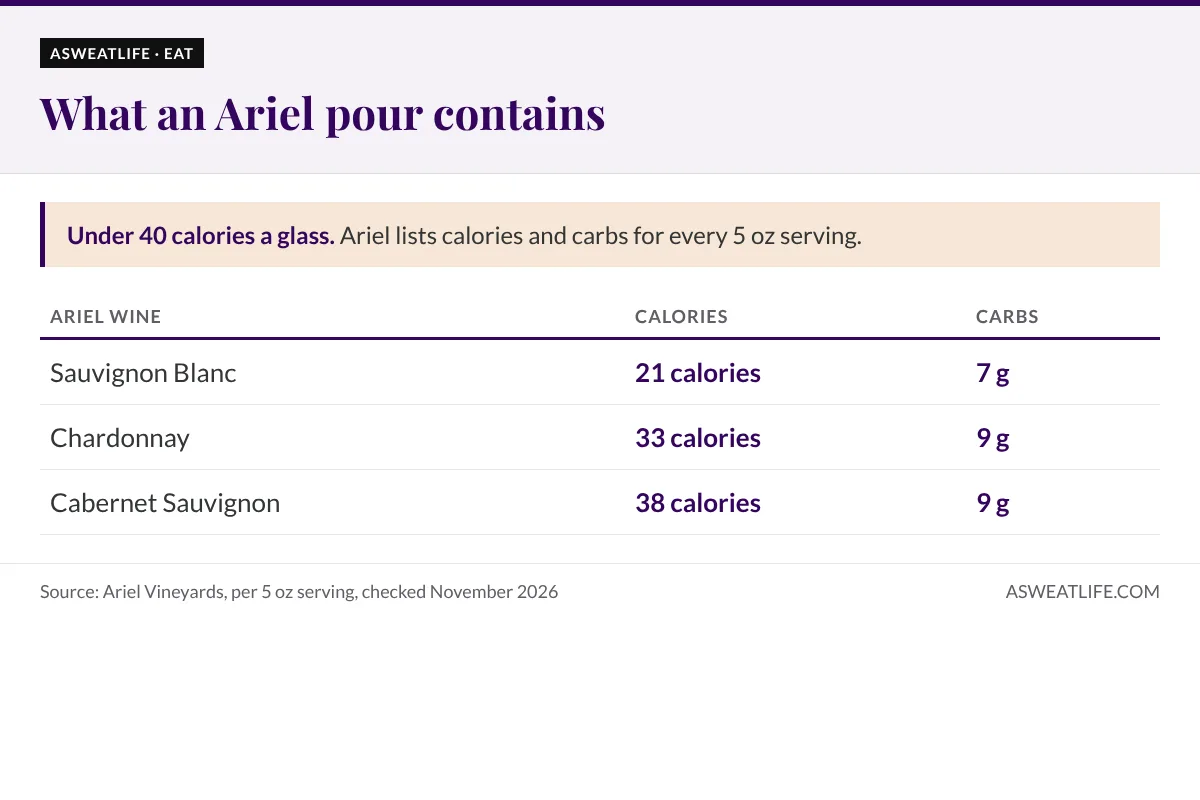
Ariel lists its numbers per 5 oz serving: the Sauvignon Blanc has 21 calories and 7 g of carbs, the Chardonnay 33 calories and 9 g, and the Cabernet Sauvignon 38 calories and 9 g. Your next step: pick two bottles from the list, compare the nutrition labels side by side and choose the one that fits your goals.
Frequently Asked Questions
How Much Alcohol Is in Non-Alcoholic Wine?
Wine labeled non-alcoholic in the US must contain less than 0.5% alcohol by volume, and reverse osmosis products generally land at about one-tenth of that limit. Ariel’s wines are listed at less than 0.5% ABV. Less than 0.5% isn’t zero, though, so if you’re pregnant, in recovery or taking a medication that doesn’t mix with alcohol, talk with your doctor before you pour.
Are Wine-Inspired Drinks the Same as Non-Alcoholic Wine?
No. Brands such as Töst, Proxies and Blurred Vines make wine-inspired beverages from ingredients like tea, verjus and cranberry, and they are not dealcoholized wines. If you want a bottle that started as wine, look for terms like dealcoholized or alcohol-removed on the label. For more alcohol-free options, see our picks for the best non-alcoholic drinks for your bar cart and non-alcoholic spirits, or read our take on the clean wine movement.
This article is for educational purposes and does not replace advice from a doctor, registered dietitian or qualified trainer.